
Crypto Market Weekly
CLARITY vs Macro Reality

Hey everyone, and welcome to the Weekly Market Roundup #27.
Bitcoin started the week attempting another breakout above the $80,000 region before momentum faded sharply into the weekend. BTC lost the key $78,300 support level and is currently trading closer to the $77,000 range, placing markets back into a highly compressed and indecisive structure heading into one of the most important macro weeks of the quarter.
Technically, Bitcoin now sits trapped between two major trend indicators. The 200-day EMA currently sits overhead near $81,700 acting as long-term resistance, while the 50-day EMA around $76,700 continues acting as near-term support. Historically, this type of compression tends to precede large directional moves, especially when combined with elevated leverage and macro uncertainty.
From a positioning perspective, the recent flush already wiped out a significant amount of downside liquidity, with liquidation clusters now rebuilding mostly above current price near the $83,000 region. However, notable downside liquidity still remains concentrated below current levels around $76,000, leaving room for volatility in both directions as traders position aggressively ahead of Nvidia earnings, FOMC minutes, and broader macro data later this week.
Ethereum and broader altcoins meanwhile continue showing relative weakness. ETH/BTC extended lower again this week, reinforcing the ongoing trend where Bitcoin continues structurally outperforming the broader altcoin market during periods of uncertainty and tighter liquidity conditions.
In this issue, I’ll break down what actually drove the movement, how macro catalysts are compressing into a high-impact window, what on-chain flows are revealing about holder behaviour, and where structural momentum may emerge next.
Let’s get into it.
1. Sector Performance & Key Developments
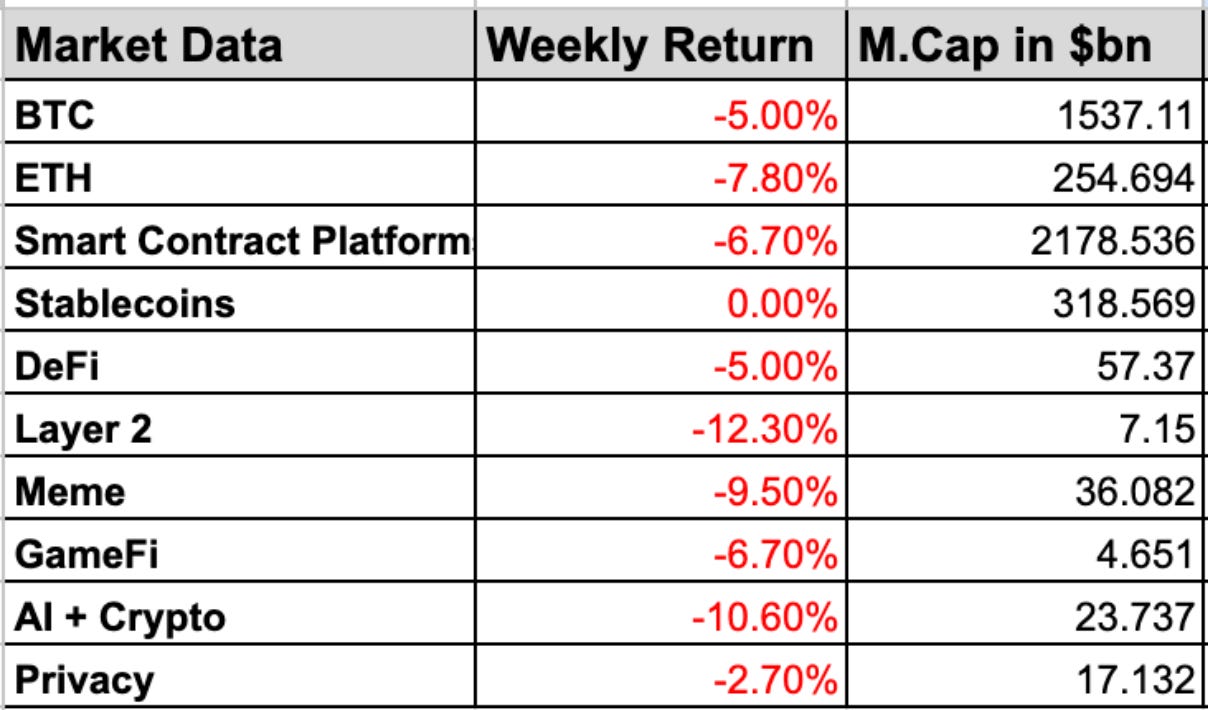
Thorchain Loses Nearly $11M as Attackers Poison Vault Churn Process Across 4 Chains
Bitcoin Insurance for Persian Gulf Cargo: Iran Launches Hormuz Safe, Claims $10B Revenue
Arc is a new layer-1 blockchain developed by USDC issuer Circle, designed specifically for stablecoin-native finance.
Saylor’s Strategy scoops $2B Bitcoin, holdings reach 843,738 BTC
Bitmine Buys 71,672 ETH in One Week as Tom Lee Targets 5% of Ethereum Supply
Potential A16z-Linked Wallet Stacks $90.87M in HYPE Across 34 Days
SEC to make ‘innovation exemption’ for tokenized stock trading
Republican lawmakers call for permanent CBDC ban as House vote approaches
Capital B Buys 192 BTC After $20M Raise as Treasury Strategy Accelerates
2. The CLARITY Act: Crypto’s Biggest Regulatory Shift Since Bitcoin
The US crypto market may finally be moving from regulation by enforcement to an actual rulebook. This week, the CLARITY Act cleared one of its biggest hurdles after passing the Senate Banking Committee in a bipartisan 15-9 vote, with most anti-crypto amendments voted down.
Next steps: While the bill still needs a full Senate vote and White House approval, the direction is becoming increasingly clear: Washington is preparing to formally define how crypto assets are classified, traded, issued, and regulated in the United States.
A Non-Legalish, Non-Jargonish Primer on the CLARITY Act
For the past few years, the SEC largely operated through lawsuits and interpretations rather than explicit legislation. Projects, exchanges, and token issuers were often forced to operate in regulatory gray zones where asset classifications could change retroactively.
The CLARITY Act attempts to end that uncertainty by creating a formal legal framework around digital assets, while also drawing a hard line between SEC and CFTC oversight.
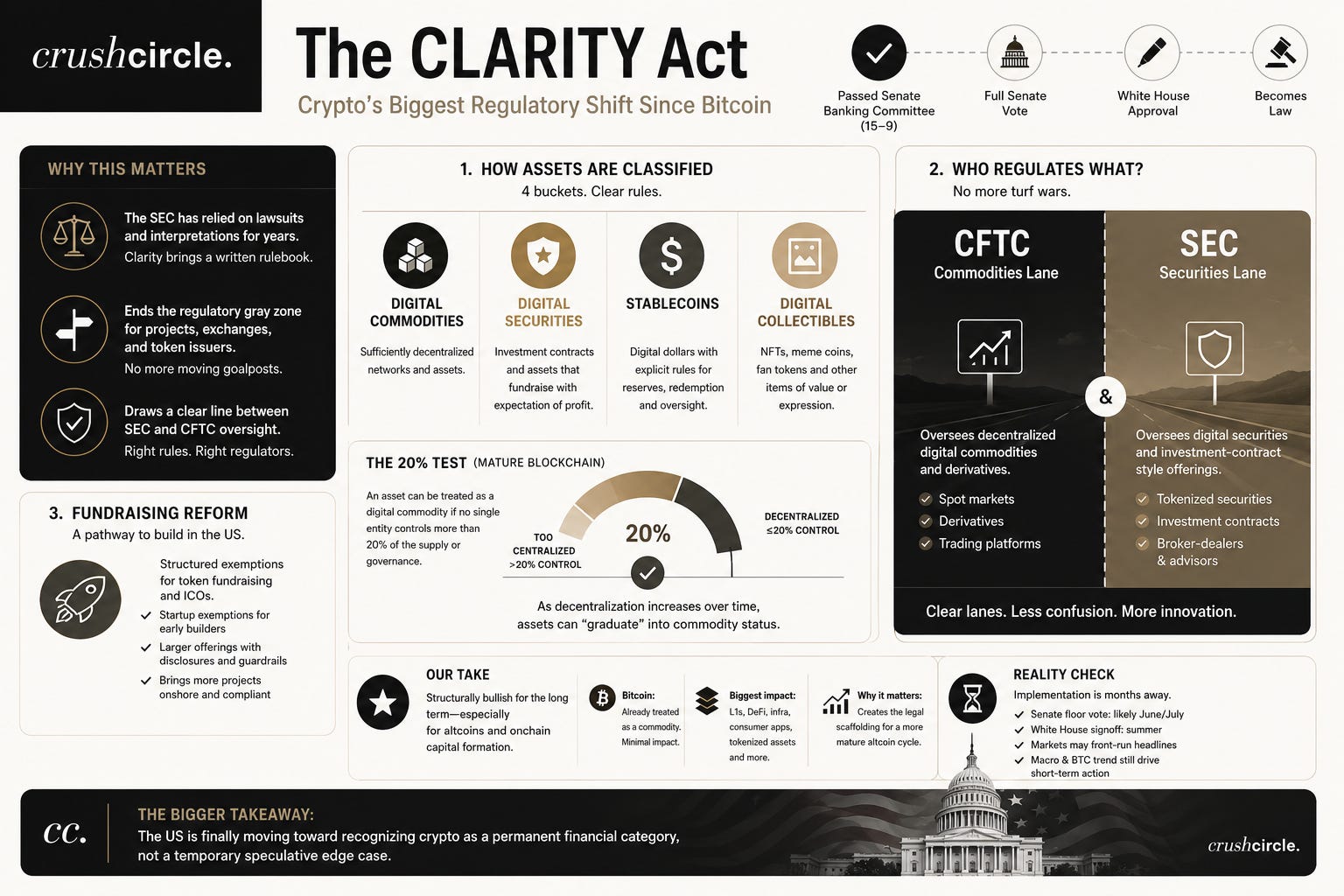
At the core of the bill is a classification framework that splits crypto assets into categories such as digital commodities, digital securities, stablecoins, and digital collectibles.
More importantly, it introduces a “mature blockchain” test where sufficiently decentralized networks can qualify as digital commodities if no single entity controls more than 20% of supply or governance.
In practice, this creates a pathway for tokens to potentially “graduate” from securities-like status into commodity status as decentralization improves over time.
Why This Matters?
This matters because it could fundamentally reshape how altcoins trade in the US market.
A legally recognized “digital commodity” category opens the door for broader exchange listings, institutional access, and clearer market structure around non-BTC assets
Tokens previously operating under legal uncertainty may finally receive a framework for compliant issuance and secondary trading
Meme coins, NFTs, fan tokens, and other speculative assets may fall under “digital collectibles,” creating a separate treatment category rather than being blanket-labeled securities
Stablecoins receive explicit recognition as a standalone asset class, further reinforcing the broader trend of onchain dollar infrastructure becoming systemically important
The bill also formalizes jurisdictional boundaries between the SEC and CFTC, something the market has been demanding for years.
Under the proposed structure, sufficiently decentralized digital commodities would largely fall under CFTC oversight, while tokenized securities and investment-contract-style offerings remain under the SEC. This removes one of the largest overhangs that has slowed institutional participation across crypto markets.
Fundraising Reform
The CLARITY framework incorporates structured exemptions for token fundraising and ICO activity, including smaller startup exemptions and larger regulated issuance tiers. That potentially revives compliant onshore token formation in the US after years where serious crypto founders increasingly avoided American jurisdictions altogether.
Our take is that this is structurally bullish for the long-term evolution of crypto markets, particularly altcoins and onchain capital formation.
Bitcoin itself does not materially benefit from the bill because BTC was already widely treated as a commodity.
The real impact is on the broader crypto stack: L1s, DeFi protocols, infrastructure tokens, consumer apps, tokenized assets, and emerging onchain business models that previously lacked regulatory clarity.
The bill effectively creates the legal scaffolding required for a more mature altcoin market cycle in the future.
That said, near-term expectations should remain measured.
The market appears to be treating every stage of the bill’s progression as a catalyst event, but implementation is still months away. Even optimistic timelines suggest Senate floor approval in June/July followed by White House signoff later in the summer.
The bigger takeaway is that the US appears to finally be moving toward recognizing crypto as a permanent financial category rather than a temporary speculative edge case.
3. Macro Backdrop
1. AI Is Still Carrying The Market
Under the hood, this remains one of the narrowest equity rallies in years.
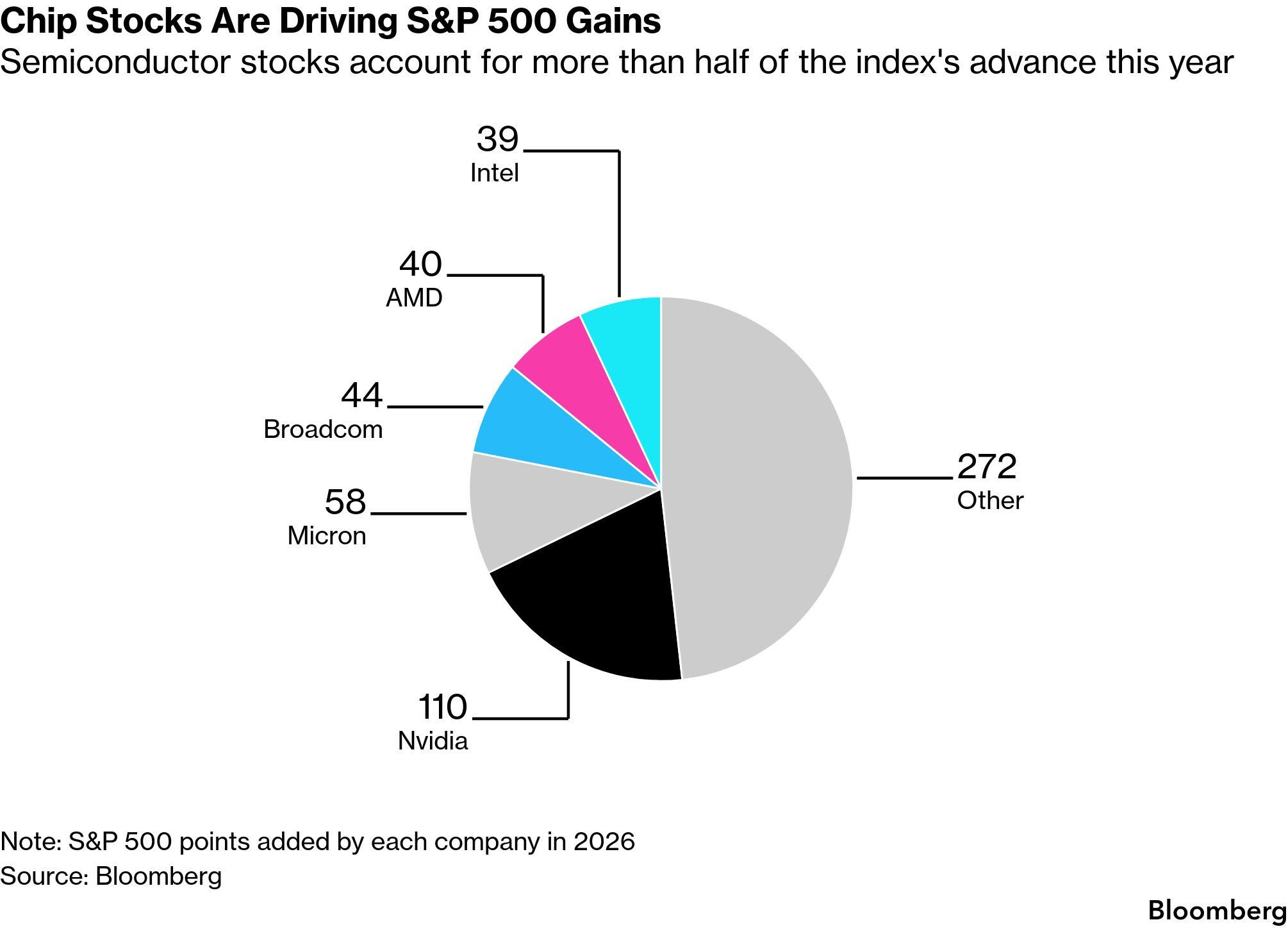
A handful of semiconductor and AI-linked companies now account for more than half of the S&P 500’s gains in 2026, with Nvidia alone contributing over 100 index points.
Broadcom’s AI chip revenue more than doubled YoY, AMD’s data center business surged 57%, and hyperscaler capex continues to accelerate.
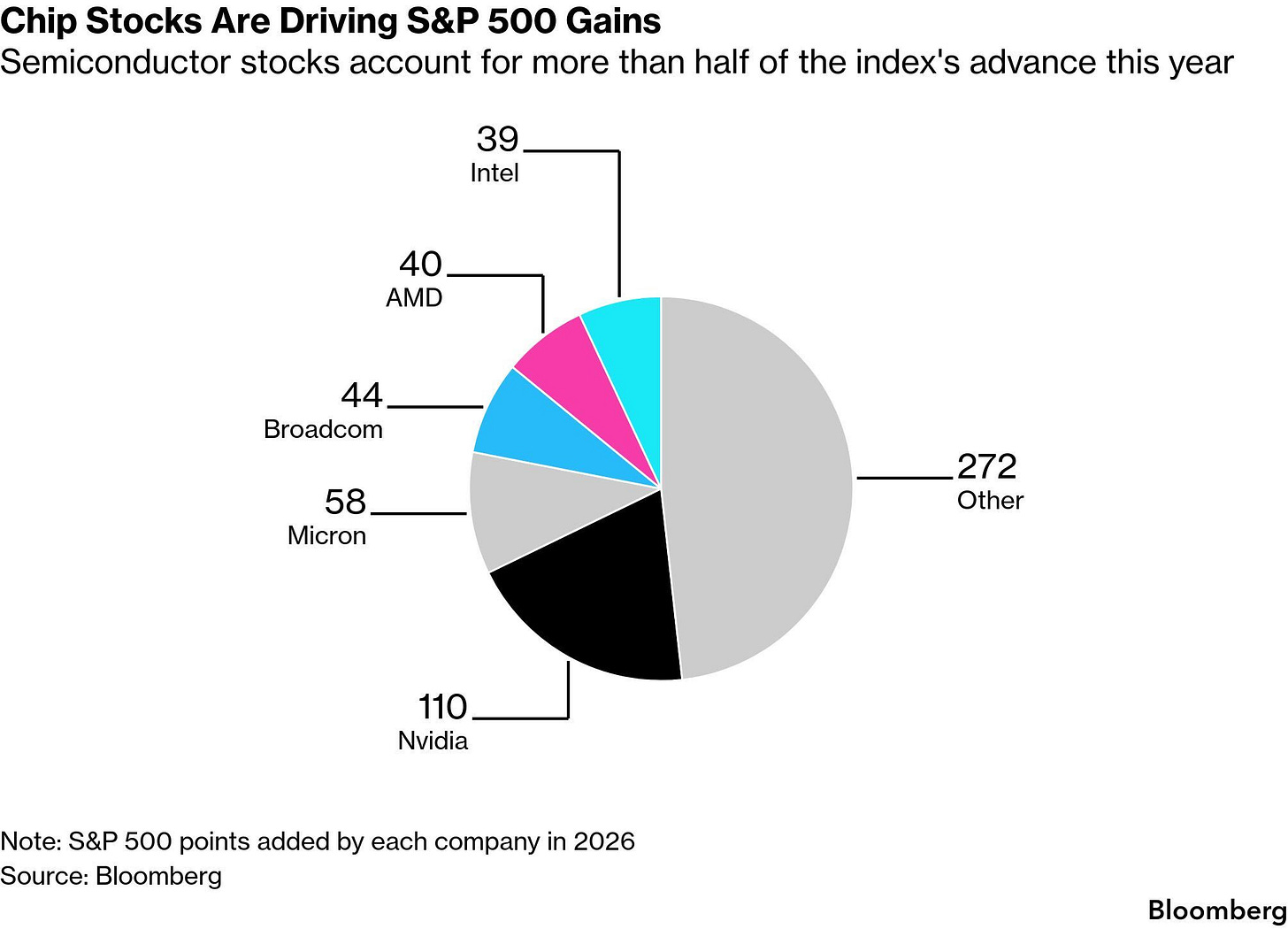
The market is no longer simply bullish on tech. It is aggressively concentrated around one theme: AI infrastructure.
That concentration works beautifully on the way up. It also makes the market structurally fragile if the narrative weakens even slightly.
2. Memory Stocks Just Had Their First Real Shakeout
Over the past seven weeks, memory and storage names went nearly vertical.
Then the unwind started: $MU down 18%, $SNDK down 19%, $INTC down 21%, $WDC down 15%, $STX down 14% and Nvidia itself corrected ~7% into earnings
On paper this looks scary. In reality, this is fairly normal positioning behavior before a major macro earnings catalyst.
The market is essentially de-risking ahead of Nvidia earnings because Nvidia is no longer “just another tech stock.” It has effectively become the scoreboard for the entire AI trade.
If Nvidia beats expectations and raises guidance, the broader AI capex narrative likely reaccelerates immediately. If it disappoints, the current pullback could evolve into something materially deeper.
Wednesday is not just an earnings event. It is a referendum on the AI cycle itself.
3. Bond Markets Are Quietly Becoming The Bigger Problem
While equity markets remain obsessed with AI upside, rates markets are telling a far less comfortable story.
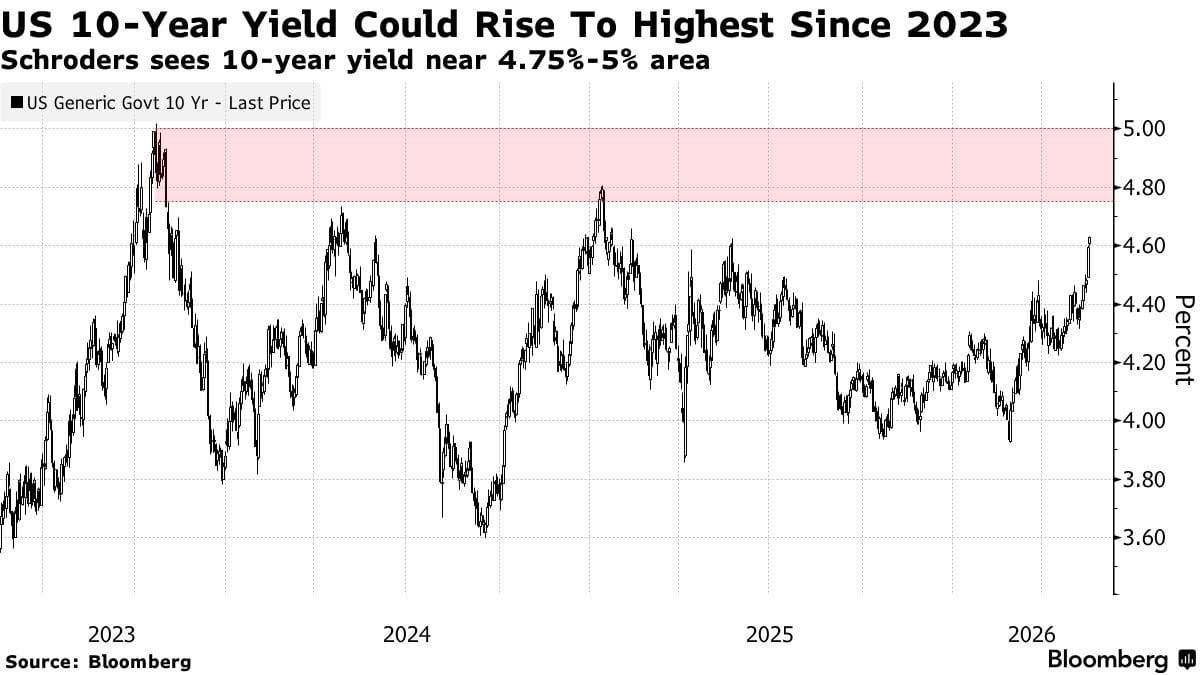
The US 10Y yield pushed toward 4.6% after hotter CPI and PPI prints effectively killed remaining rate-cut hopes. Some desks are now openly discussing the possibility that the next move may not even be a cut.
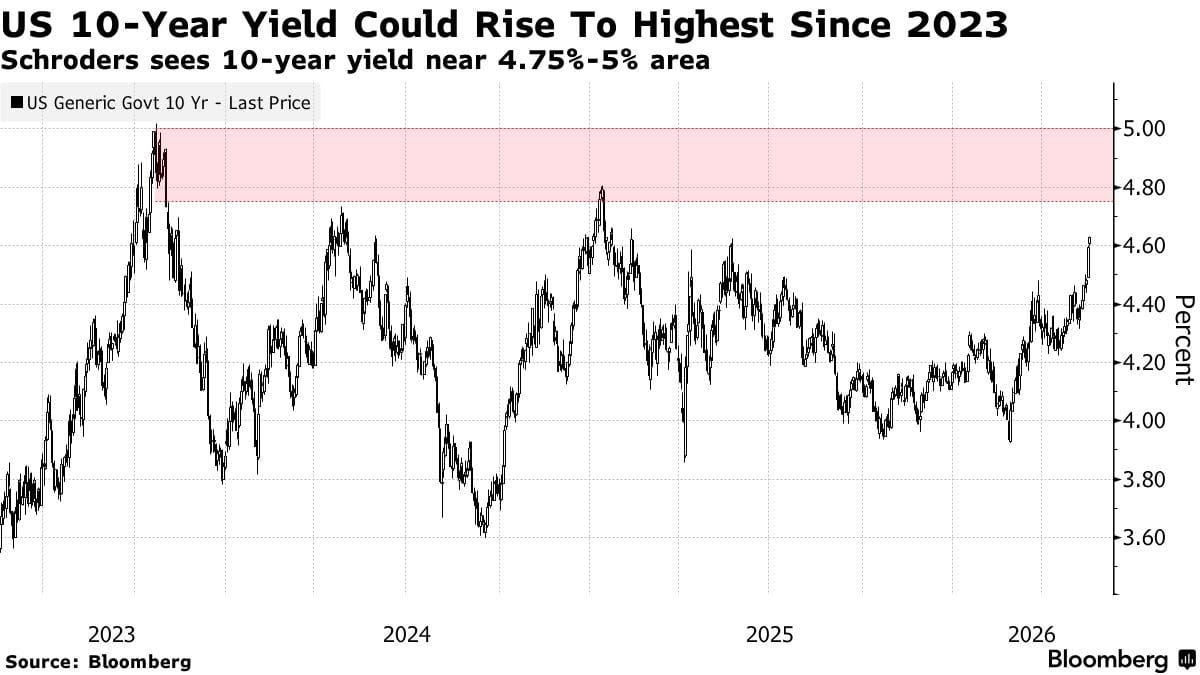
That matters because the current market leadership is dominated by extremely long-duration, high-multiple tech names. Higher yields mechanically compress those valuations.
In simple terms:
AI enthusiasm is pushing equities up. Sticky inflation and rising yields are pulling valuations down. At some point those two forces collide.
4. Dollar Weakness Signals Cracks In The Macro Narrative
Another subtle but important shift: speculative dollar longs have collapsed sharply this year.
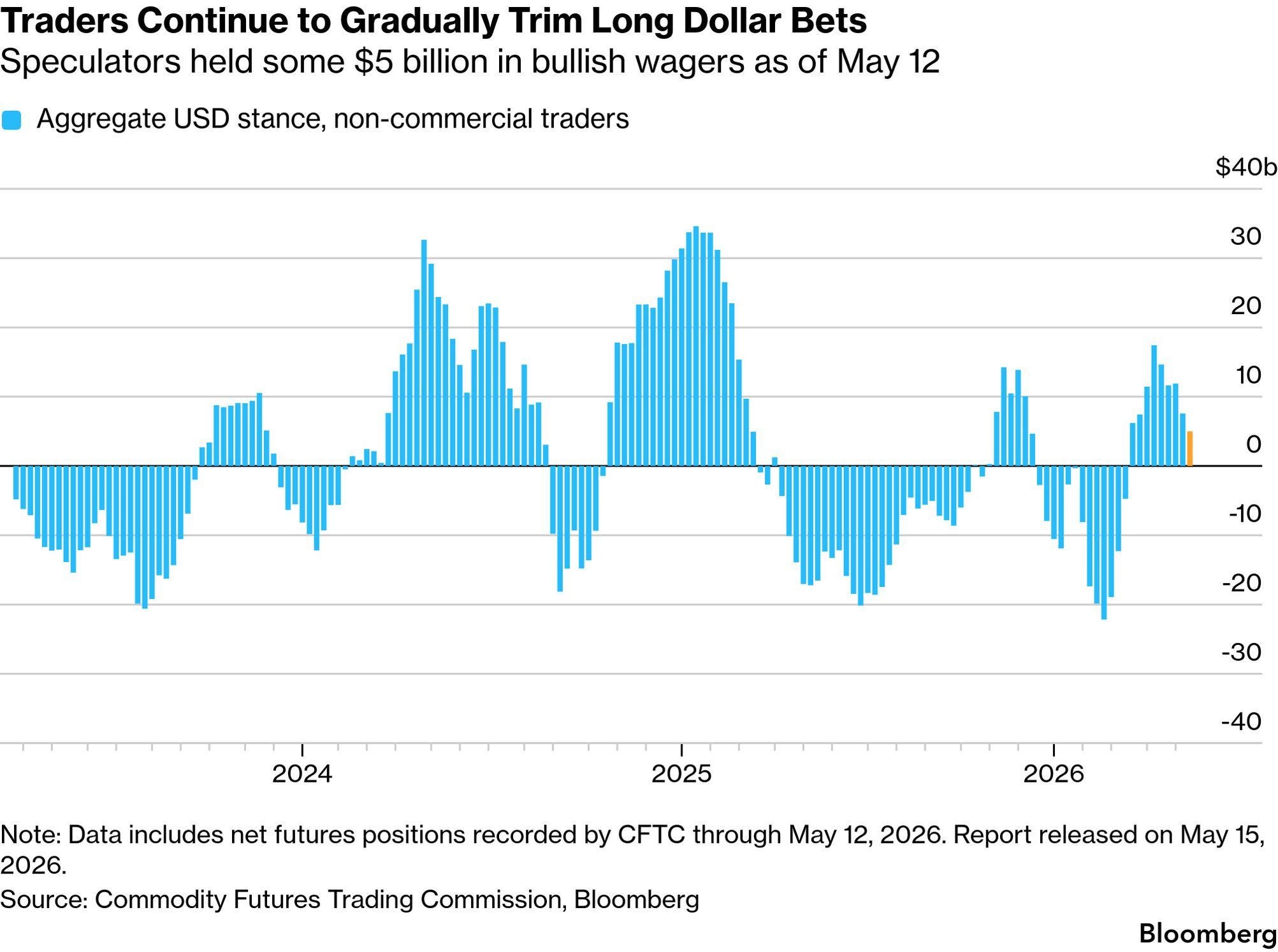
Positioning reportedly fell from over $30B at peak levels to nearly $6B, while the dollar index has closed lower in five of the last six weeks.
That suggests global macro confidence in the “US exceptionalism” trade is starting to soften around the edges.
Markets are beginning to price a world where: US growth slows → Fiscal pressures rise → Inflation remains sticky → Fed stays trapped longer than expected
That combination creates a much less forgiving environment for crowded momentum trades.
5. Asia Is Already Feeling The Stress
The pressure is not staying isolated to US equities.
South Korea’s KOSPI saw one of its sharpest recent declines after Samsung corrected alongside weakness in US memory names. Since Samsung and SK Hynix dominate a massive portion of the Korean index, semiconductor volatility is now bleeding directly into broader regional equity performance.
At the same time, reports around labor disruptions and strike risks inside Samsung added another layer of uncertainty to an already fragile setup.
This is important because semiconductors are no longer “just another sector.” They have become the transmission layer for the entire global AI economy.
6. The Fed Walks Into A Perfect Storm
Kevin Warsh takes over the Fed just as inflation is reaccelerating again.
Days before his arrival:
CPI hit 3.8%, the highest in 3 years
Core CPI rose to 2.8%, an 8-month high
Real wages turned negative for the first time since 2022
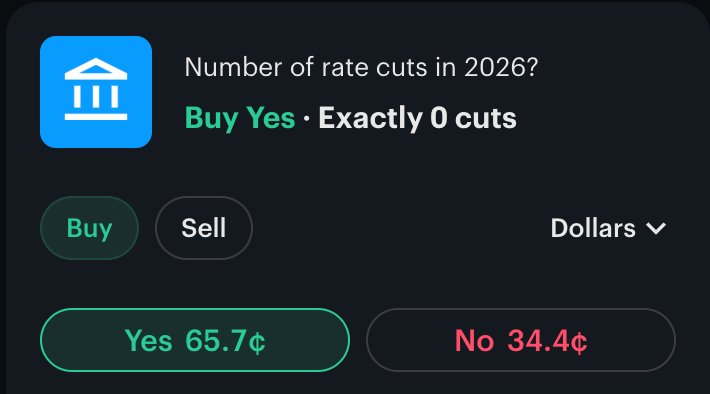
Markets are now pricing almost no rate cuts for 2026, while odds of a rate hike by December continue rising
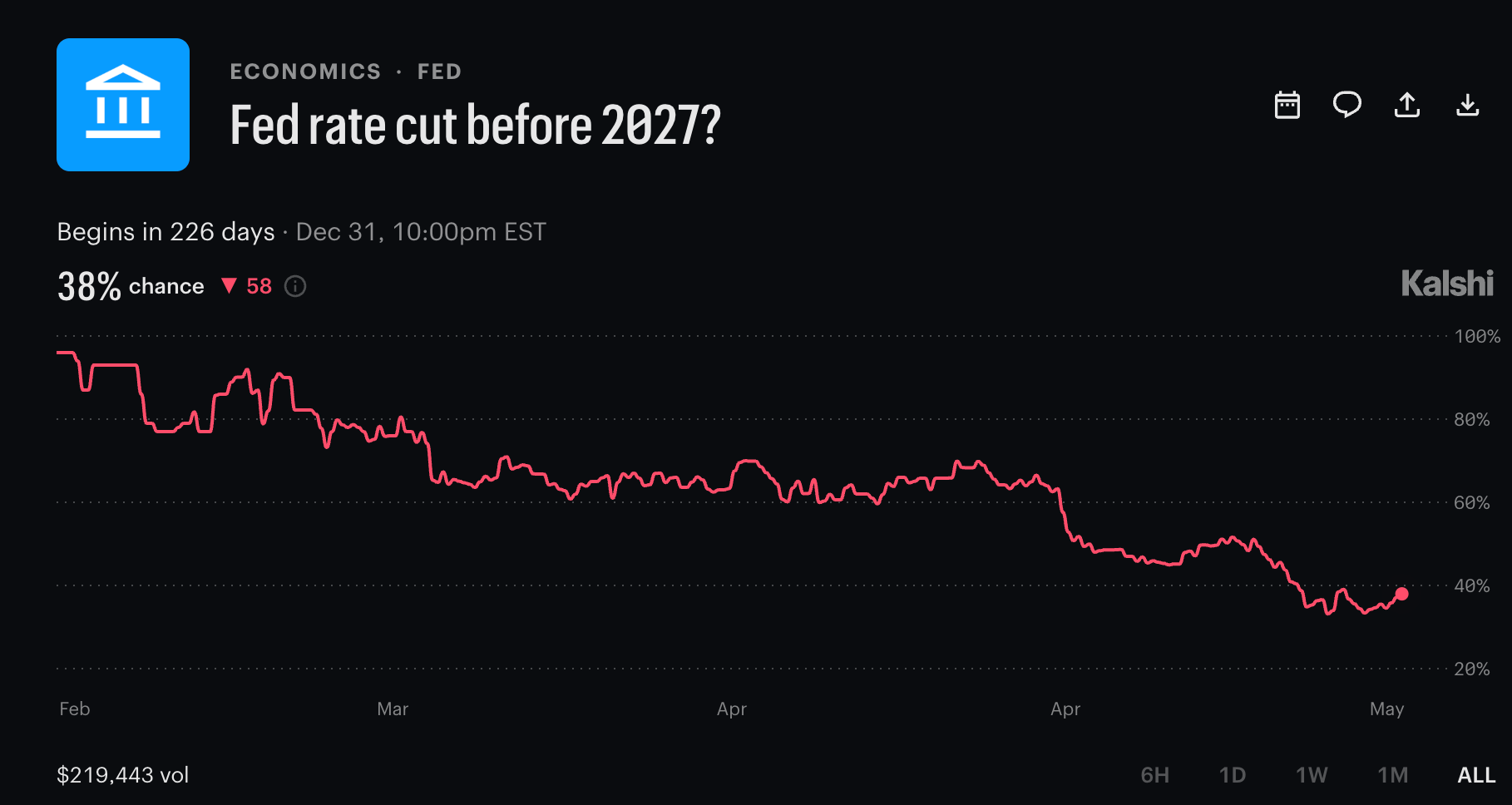
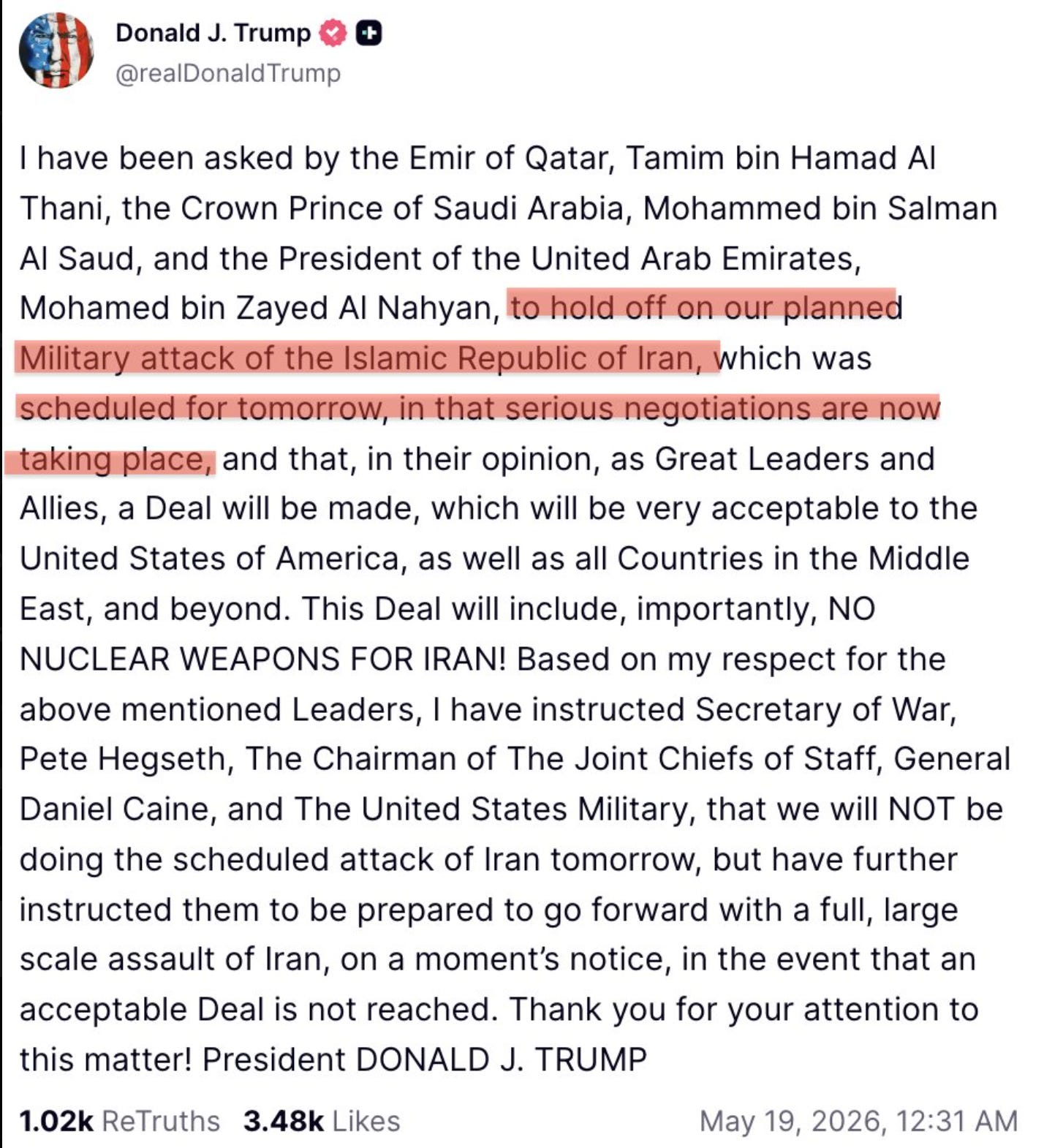
At the same time, Trump is openly pressuring against higher rates while geopolitical tensions with Iran remain elevated after Trump reportedly paused a planned military strike while warning the US remains prepared for a “full-scale assault” if negotiations fail
The Fed now faces an extremely difficult balancing act between inflation control, political pressure, dollar stability, and market fragility.
4. ETF Insights
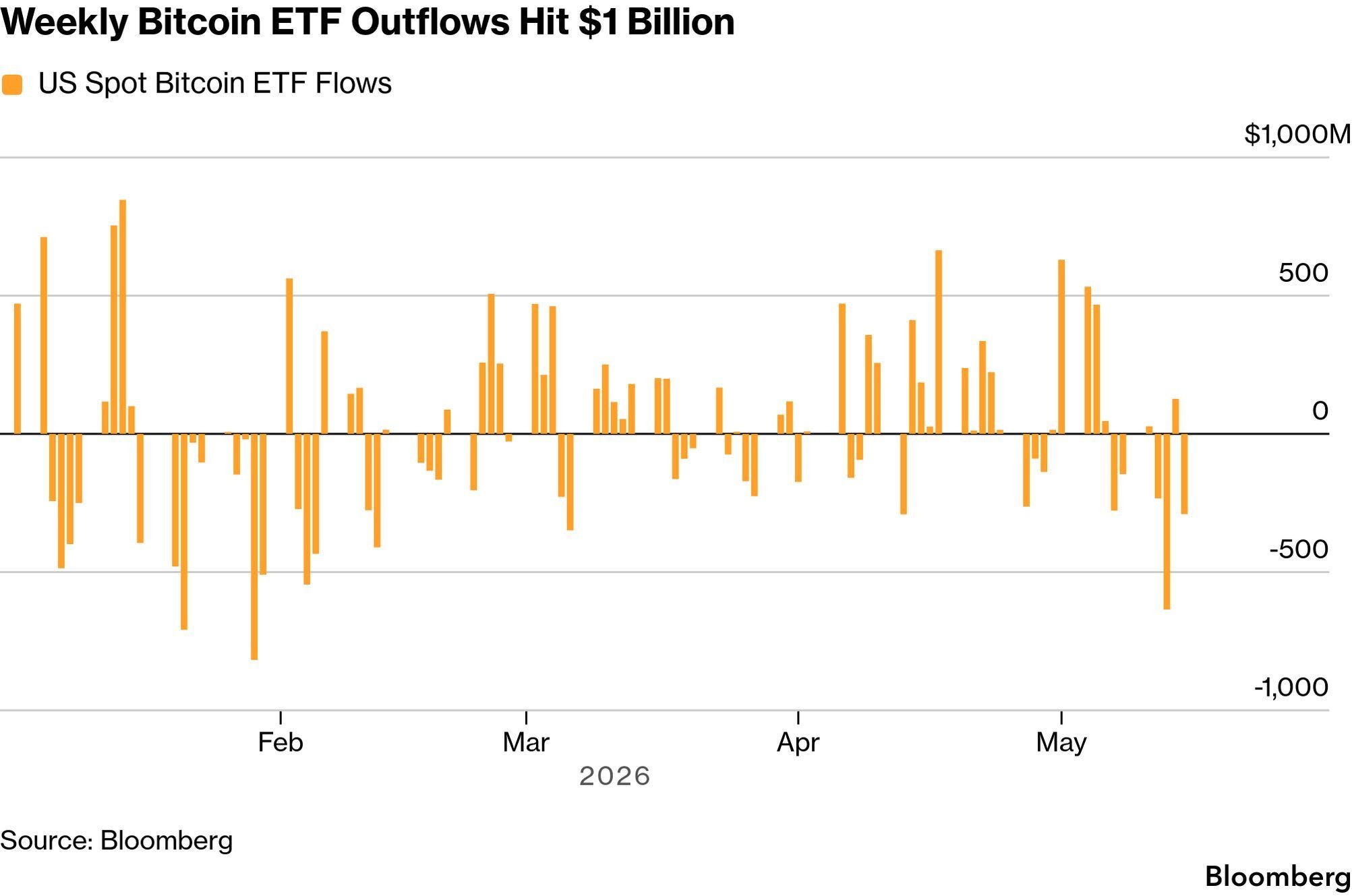
Spot Bitcoin ETFs recorded more than $1 billion in net outflows last week, snapping a six-week inflow streak that had become one of crypto’s strongest support pillars. Wednesday alone saw nearly $635 million leave the products, with all 11 US spot BTC ETFs closing the week negative.
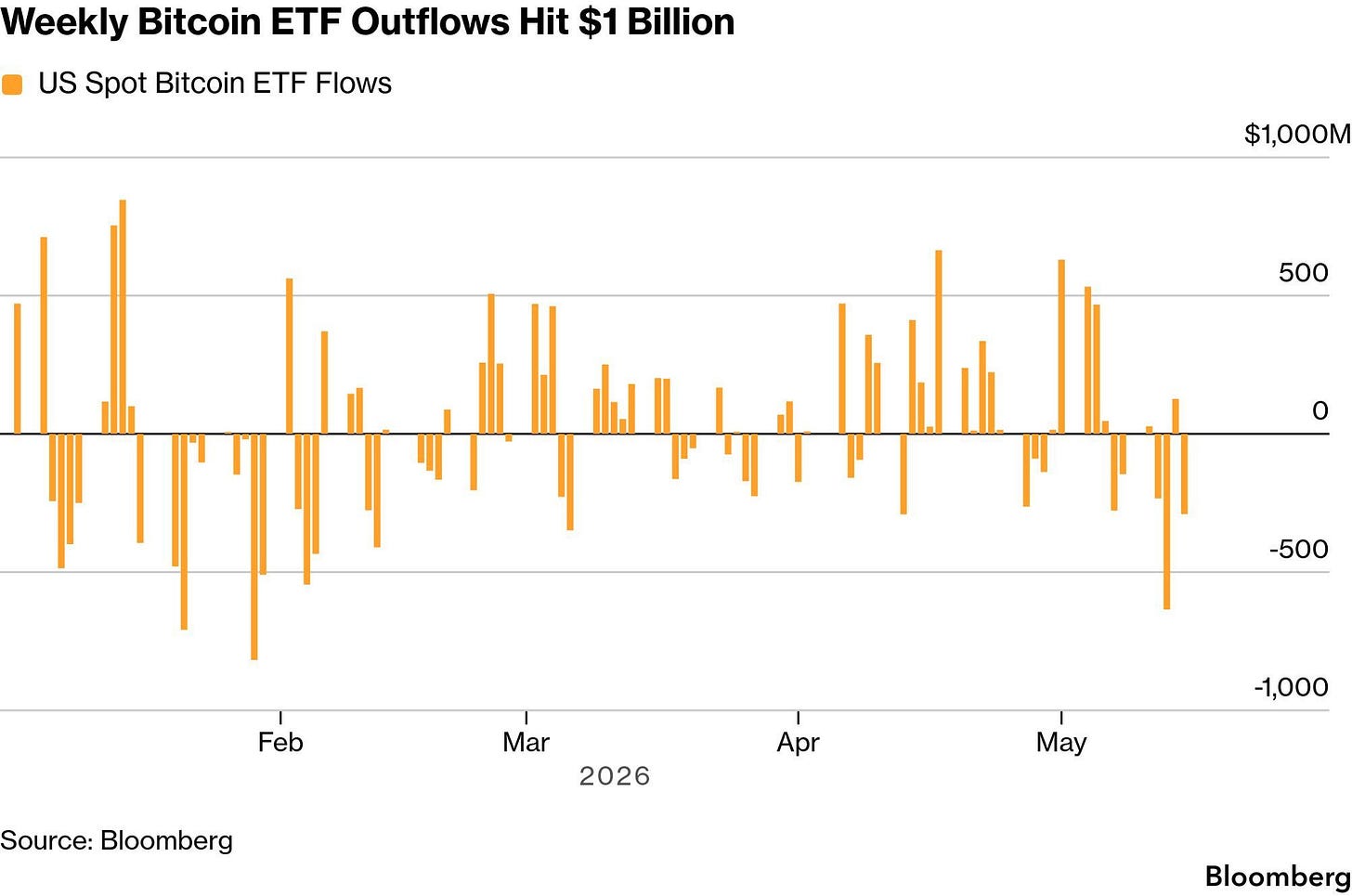
The trigger was macro. Hot CPI data pushed rate-cut expectations further into late 2026 while Treasury yields surged, forcing investors out of speculative and duration-heavy assets.
Goldman Sachs sharply reduced its crypto ETF exposure in Q1 2026, according to its latest 13F filing. Most notably, the bank completely exited all previously disclosed XRP-linked ETF positions. Just a quarter ago, Goldman held nearly $154 million worth of XRP-related ETF exposure across Bitwise, Franklin Templeton, Grayscale, and 21Shares products.
5. The Week Ahead
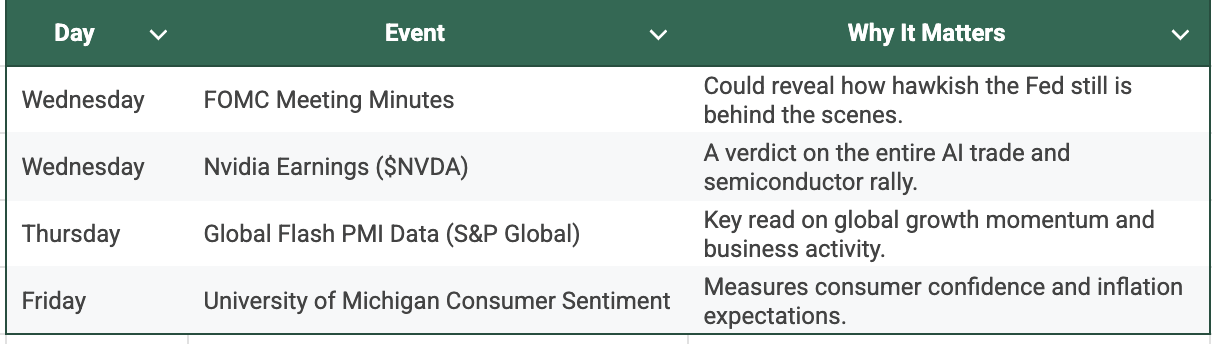
This week’s focus shifts toward a mix of Fed signals, global growth data, and one of the most important earnings reports of the year.
6. Conclusion
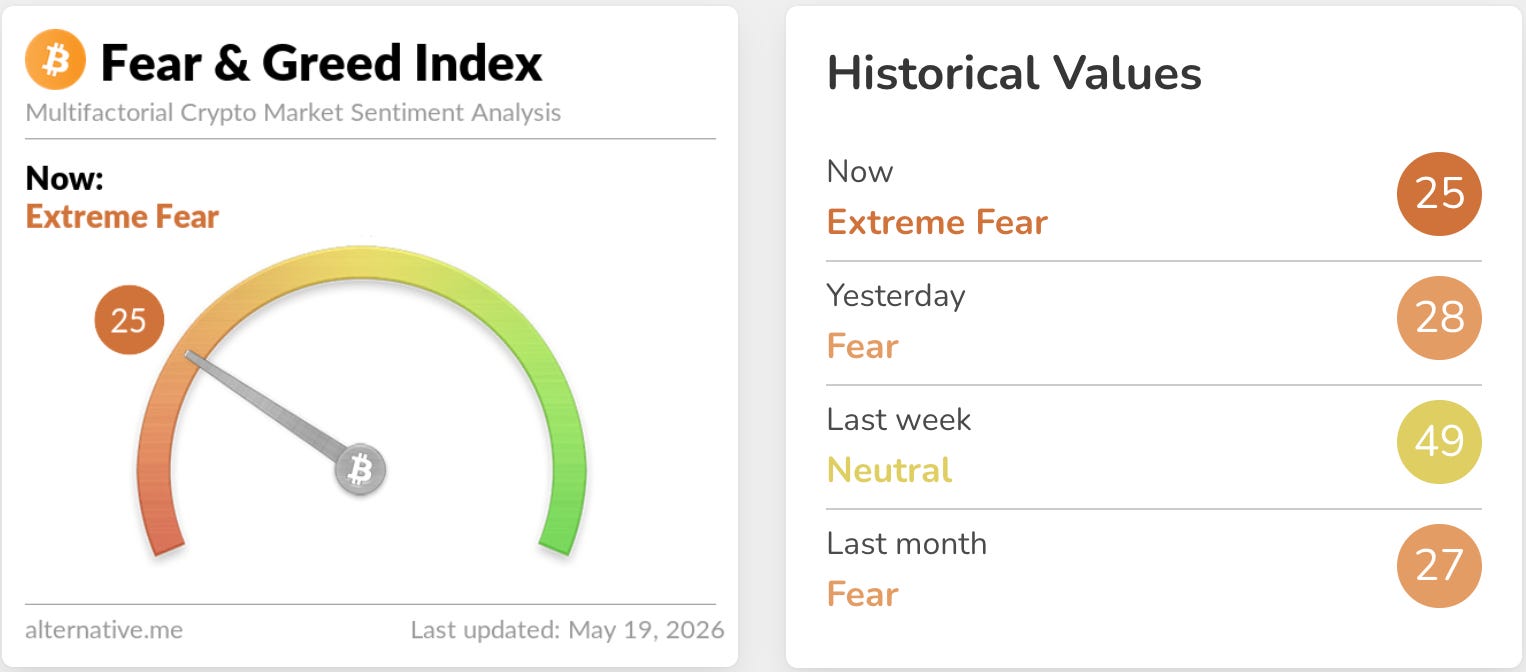
Sentiment across the market deteriorated sharply , with the Fear & Greed Index dropping back to 25 and firmly re-entering Extreme fear territory as Bitcoin saw another notable correction. After weeks of gradual stabilization (Last week at 49-Neutral).
The move highlights how fragile confidence still remains beneath the surface, with market participants continuing to react aggressively to downside volatility and macro uncertainty.
In a market driven by liquidity swings and institutional flow, our Crush Circle platform by CryptoCrush gives investors direct access to expert research, real-time guidance, and the frameworks needed to stay ahead of the next big move.
Visit here for more information 👇