
Crypto Market Weekly
The Bitcoin Credit Experiment

Hey everyone, and welcome to the Weekly Market Roundup #32.
Bitcoin closed the week down roughly 3.7%, yet the price action itself is telling only half the story. For the third consecutive week, BTC successfully defended its 200-week moving average which is at $62,500, a level that has historically served as a line between cyclical corrections and deeper bear markets. At the same time, a bullish RSI divergence continues to develop, echoing the setup seen near the 2022 cycle bottom. While price remains below both the 20-week moving average (~$71,000) and the 50-week moving average, buyers continue to show up at one of the most important technical levels on the chart.
The bigger challenge came from macro. The Fed held rates steady at 3.50%-3.75% as expected, but the meeting delivered a distinctly hawkish message. The statement was cut from 341 words to just 130, the easing bias disappeared entirely, and the median 2026 dot moved higher from 3.4% to 3.8%. More notably, nine of eighteen FOMC participants now expect at least one rate hike this year, while seventeen of eighteen see inflation risks skewed to the upside. Markets responded quickly, with December hike odds repricing from roughly 24% a month ago to nearly 77% today. For an asset class that has historically struggled after Fed meetings, this remains a significant headwind.
Adding to the uncertainty, the geopolitical backdrop deteriorated late in the week. Markets spent much of the week pricing in optimism surrounding a potential US-Iran agreement, helping support risk assets despite the hawkish Fed. However, the expected signing ceremony in Switzerland never materialised after negotiations broke down, Iran walked away from talks and regional tensions escalated once again. With US equity markets closed for Juneteenth, traditional markets never had to react to the news. Crypto, trading uninterrupted through the weekend, became the first asset class forced to absorb the disappointment. The result is a market caught between strengthening long-term technical support and a macro backdrop that continues to argue for caution.
In this issue, I’ll break down what actually drove the movement, how macro catalysts are compressing into a high-impact window, what on-chain flows are revealing about holder behaviour, and where structural momentum may emerge next.
Let’s get into it.
1. Sector Performance & Key Developments
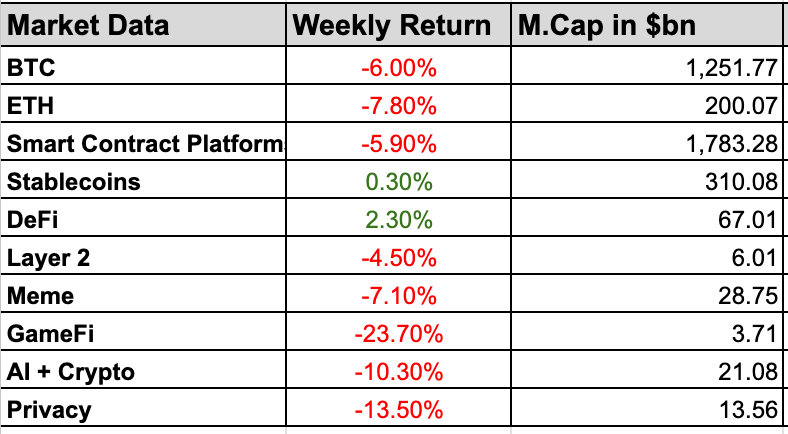
Michael Saylor’s Strategy buys another 520 BTC for $35 million, adds to USD reserve despite STRC slide
Binance may be forced to halt services for EU clients next month: Reuters
Bitcoin activity nears record highs on microtransaction surge
Franklin Templeton proposes new ETFs that turn corporate dividends into bitcoin
Crypto industry looks to stablecoins and DeFi revisions in MiCA 2.0
The National Business Corporate Pension Fund plans to begin investing in cryptocurrencies in fiscal 2026, Nikkei reported. It intends to allocate roughly 1% of its assets under management to crypto assets through a passive fund managed by a hedge fund.
Blockchain data startup Allium raises $40M Series B as institutional interest in onchain analytics grows
Ripple targets EU, wins preliminary MiCA approval from Luxembourg financial regulator
2. STRC and the Confidence Crisis

Few securities have attracted as much attention in crypto markets this year as Strategy’s STRC preferred stock. Designed to trade near its $100 par value while distributing a double-digit dividend, STRC represented one of the first serious attempts to build a credit market on top of Bitcoin
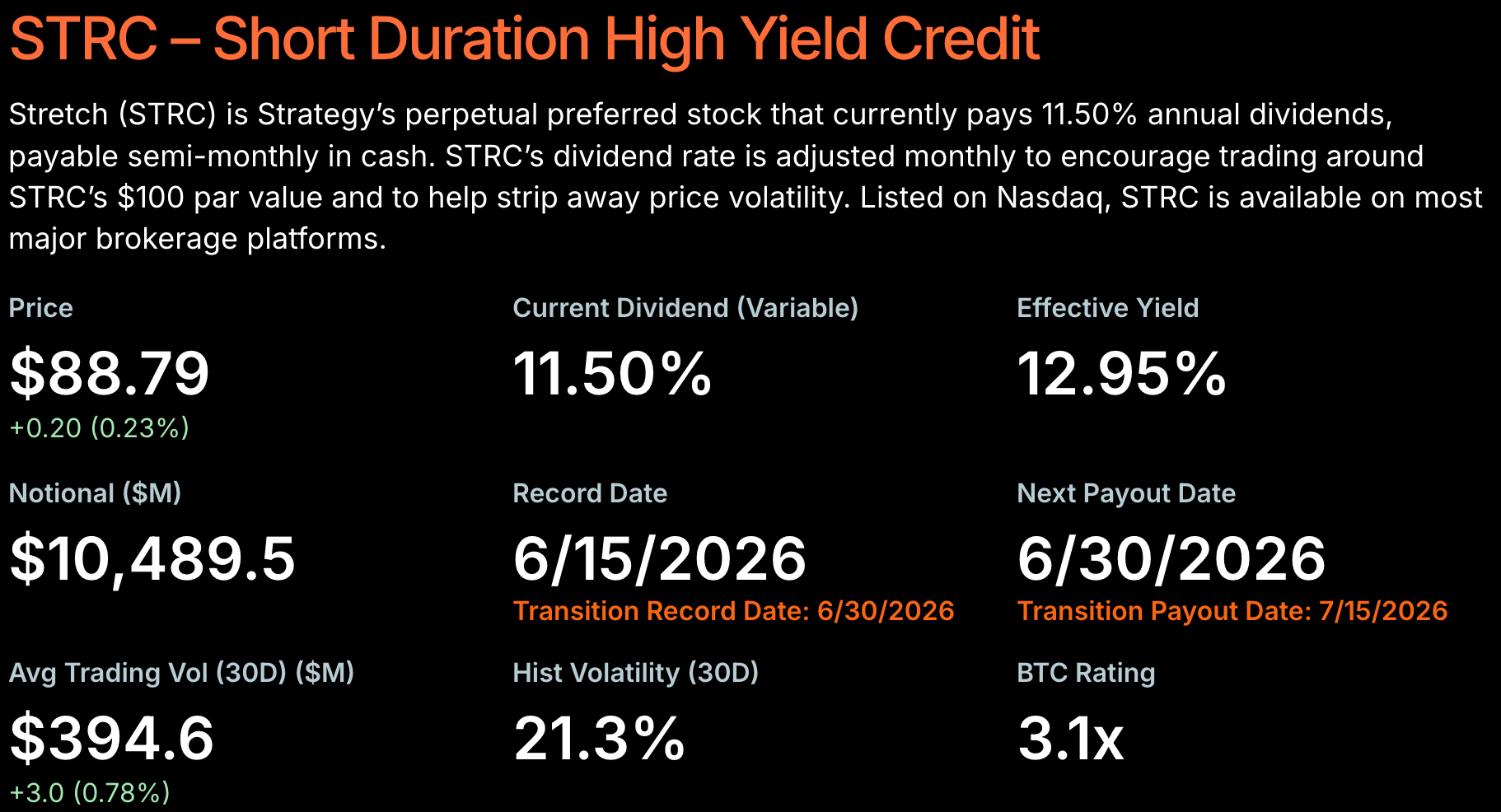
.For most of its existence, the model worked. Investors received an attractive yield, Strategy gained access to cheap capital, and the proceeds funded additional Bitcoin purchases. The result was a self-reinforcing flywheel that appeared capable of scaling indefinitely.
Today, that flywheel is under pressure.
STRC recently traded as low as $86–89, representing an 11-14% discount to par and its weakest level since launch. While headlines have framed the move as a crisis, the more important question is whether the market is simply repricing risk or beginning to lose confidence in the broader Bitcoin-credit model.
A Drawdown, Not Yet a Breakdown
Viewed in isolation, the current decline appears severe. However, historical context paints a more nuanced picture.
Since launch, STRC has experienced multiple drawdowns of similar magnitude. Previous corrections reached approximately 6%, 9%, and 6.5%, lasting between 14 and 25 days.
The current decline of roughly 11-14% is larger, but not dramatically outside the range of prior corrections.
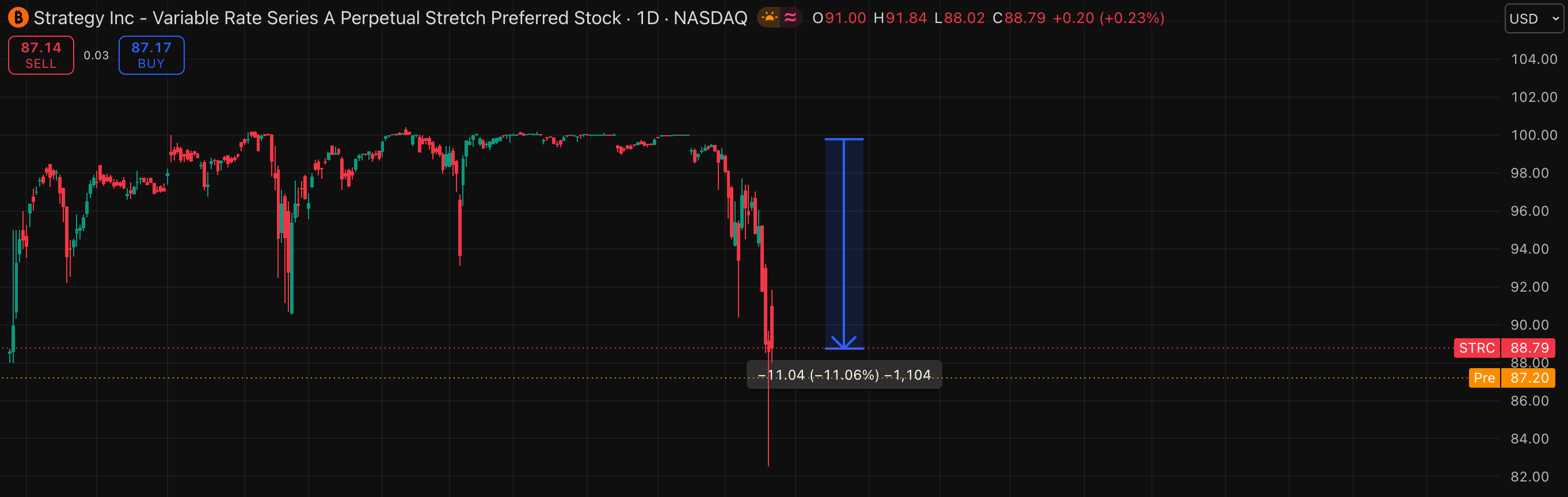
The distinction is important. The market is not witnessing the first decline in STRC’s history. What makes this episode different is the backdrop against which it is occurring.
For the first time, investors are questioning the durability of the capital structure that sits above Strategy’s Bitcoin treasury.
The Flywheel Has Started To Slow
The Strategy model is built around a relatively simple mechanism.
When preferred securities trade at or above par, the company can issue additional shares through its at-the-market program, raise capital, and deploy those proceeds into Bitcoin purchases.
Rising Bitcoin prices strengthen the balance sheet, support higher valuations, and improve future fundraising conditions.
The problem is that the flywheel works in reverse.
STRC has not traded above par since mid-April, limiting Strategy’s ability to efficiently raise new capital through the preferred.
At the same time, the company temporarily paused Bitcoin purchases and sold 32 BTC from its treasury, an immaterial amount relative to its roughly 846,000 BTC holdings, but symbolically significant given its long-standing accumulation narrative.
The sale itself was insignificant. The signal was not.

For years, investors viewed Strategy as a one-way Bitcoin accumulator. The decision to sell even a small amount of BTC challenged that assumption and raised questions about how management may navigate future funding pressures.
The Market Is Repricing Bitcoin Credit
One of the most overlooked developments during the correction has been the surge in trading volume.
Each successive drawdown has attracted substantially more participation than the previous one
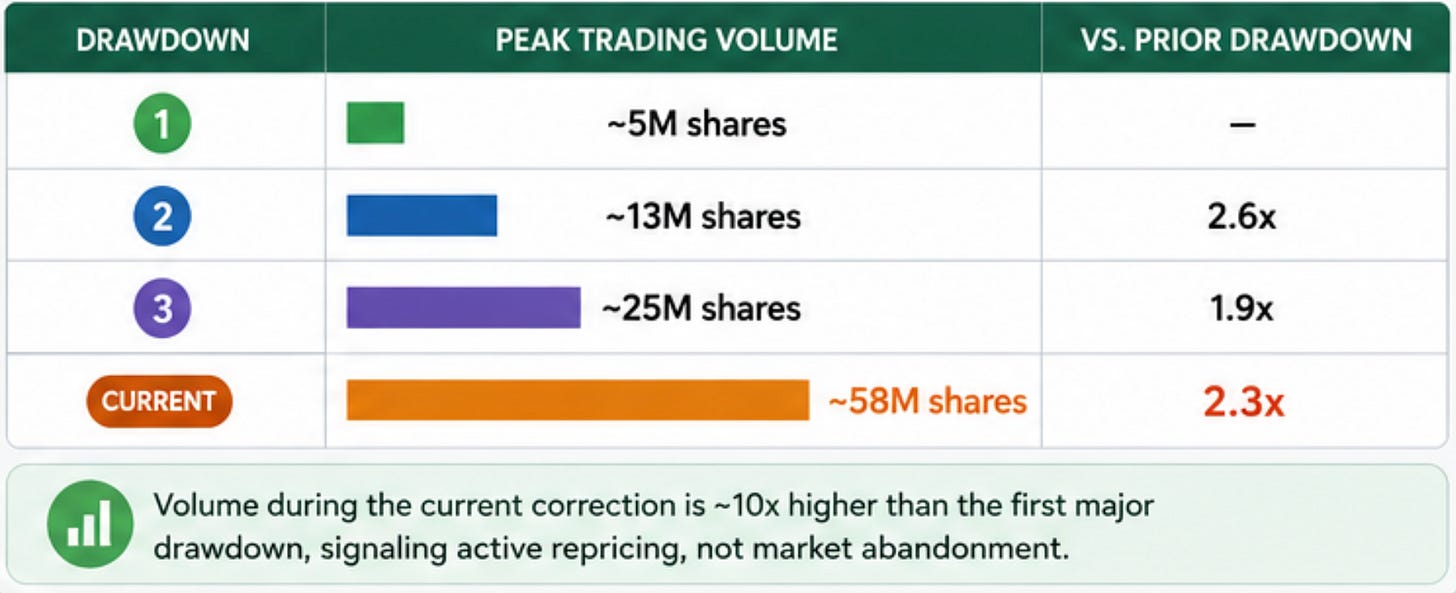
Trading Volume During Corrections The current correction has generated nearly ten times the volume of the first major drawdown.
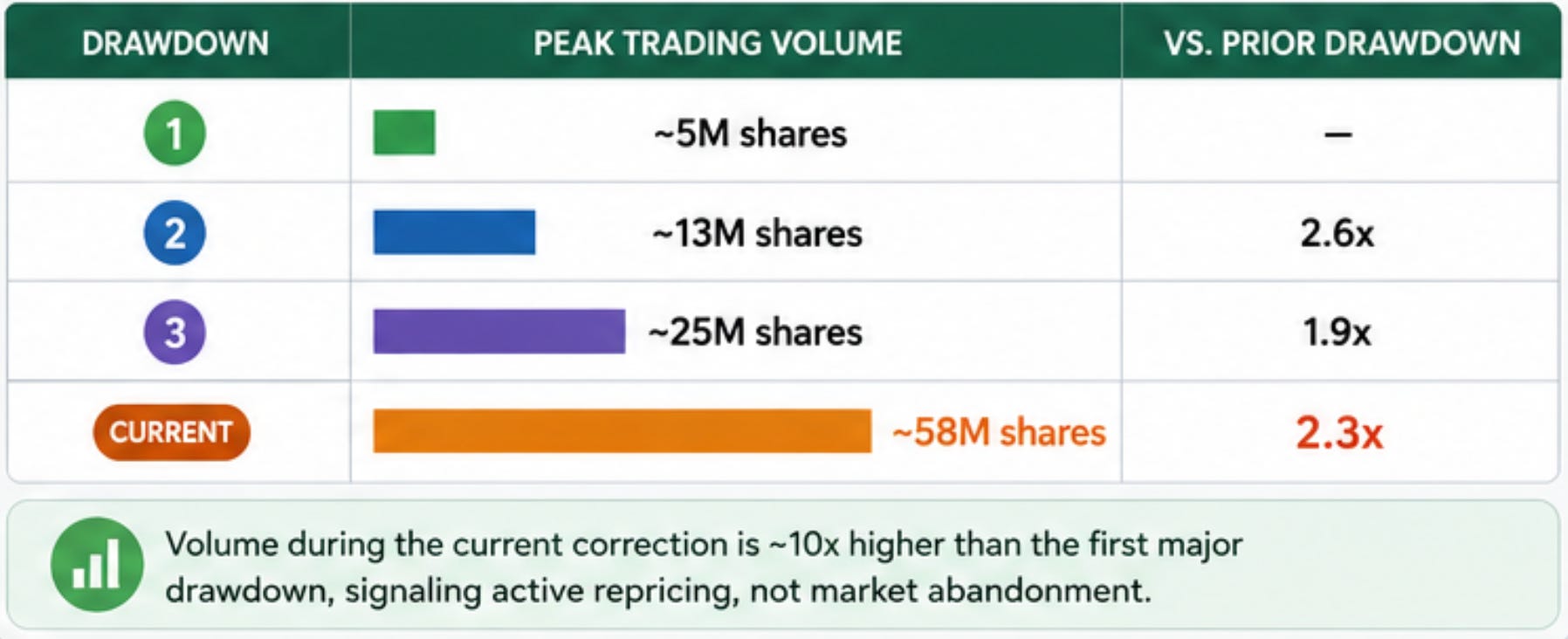
This is not necessarily a sign of market abandonment. Rather, it suggests investors are actively repricing what may be an entirely new asset class: Bitcoin-backed credit.
Is The Yield Compensating Investors For The Risk?
The investment case for STRC becomes clearer when viewed relative to traditional fixed-income markets.
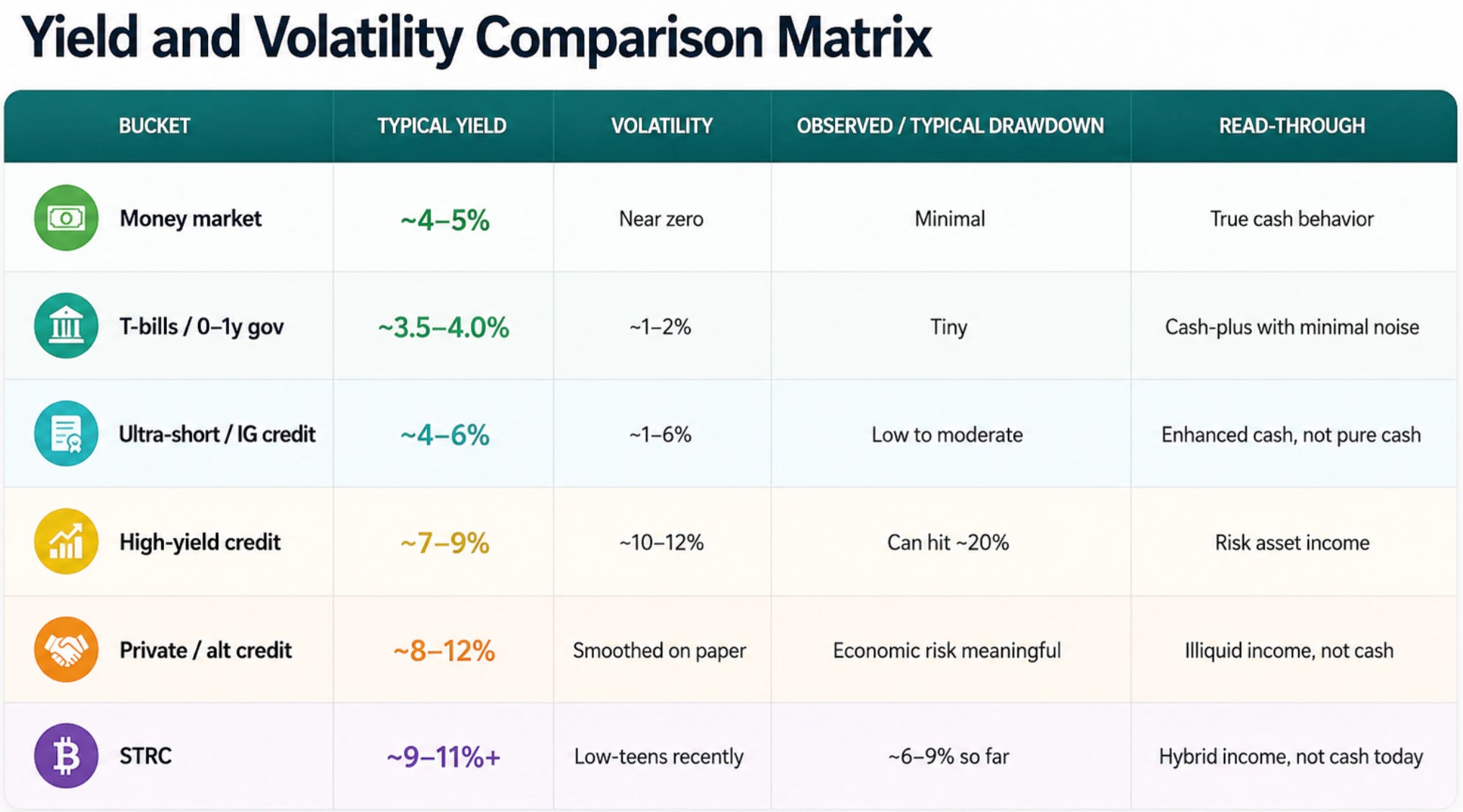
At current prices near $86, investors are effectively purchasing $1 of par value for $0.86 while collecting an annual dividend of approximately $11.50 per share.
That pushes the effective yield toward 13.4%, significantly higher than most traditional fixed-income alternatives.
The market therefore faces a straightforward question: is that yield sufficient compensation for the risks associated with a leveraged Bitcoin-backed balance sheet?
For bulls, the answer is yes. For bears, the elevated yield is simply the market demanding greater compensation for increasing uncertainty.
Solvency Is Not The Debate
Despite the recent selloff, the market is not pricing an imminent solvency event.
Strategy currently holds approximately 846,000 BTC and management has stated that annual preferred dividend obligations total roughly $1.7 billion. According to company disclosures, the Bitcoin treasury alone could theoretically support these obligations for decades.
Moreover, Strategy retains multiple sources of liquidity, including cash reserves, common equity issuance, preferred issuance, debt markets, and selective Bitcoin sales if required.
The debate is therefore shifting away from whether Strategy can make its next dividend payment. The debate is whether the company can continue funding growth without weakening the economics that made the flywheel attractive in the first place.
Bitcoin’s First Credit Stress Test
The significance of STRC extends far beyond a single preferred security.
Traditional fixed-income markets represent more than $300 trillion of global capital seeking yield.
Strategy’s preferred securities represent one of the first large-scale attempts to redirect a portion of that capital toward a Bitcoin-backed credit system.
Until now, that model has largely operated in favourable conditions. The current correction represents its first genuine stress test.
The market is attempting to answer a much larger question: can Bitcoin serve not only as a store of value, but also as credible collateral for an expanding credit market?
What Comes Next?
The bear case is no longer centred around bankruptcy. Instead, it focuses on capital allocation and the future of the flywheel itself.
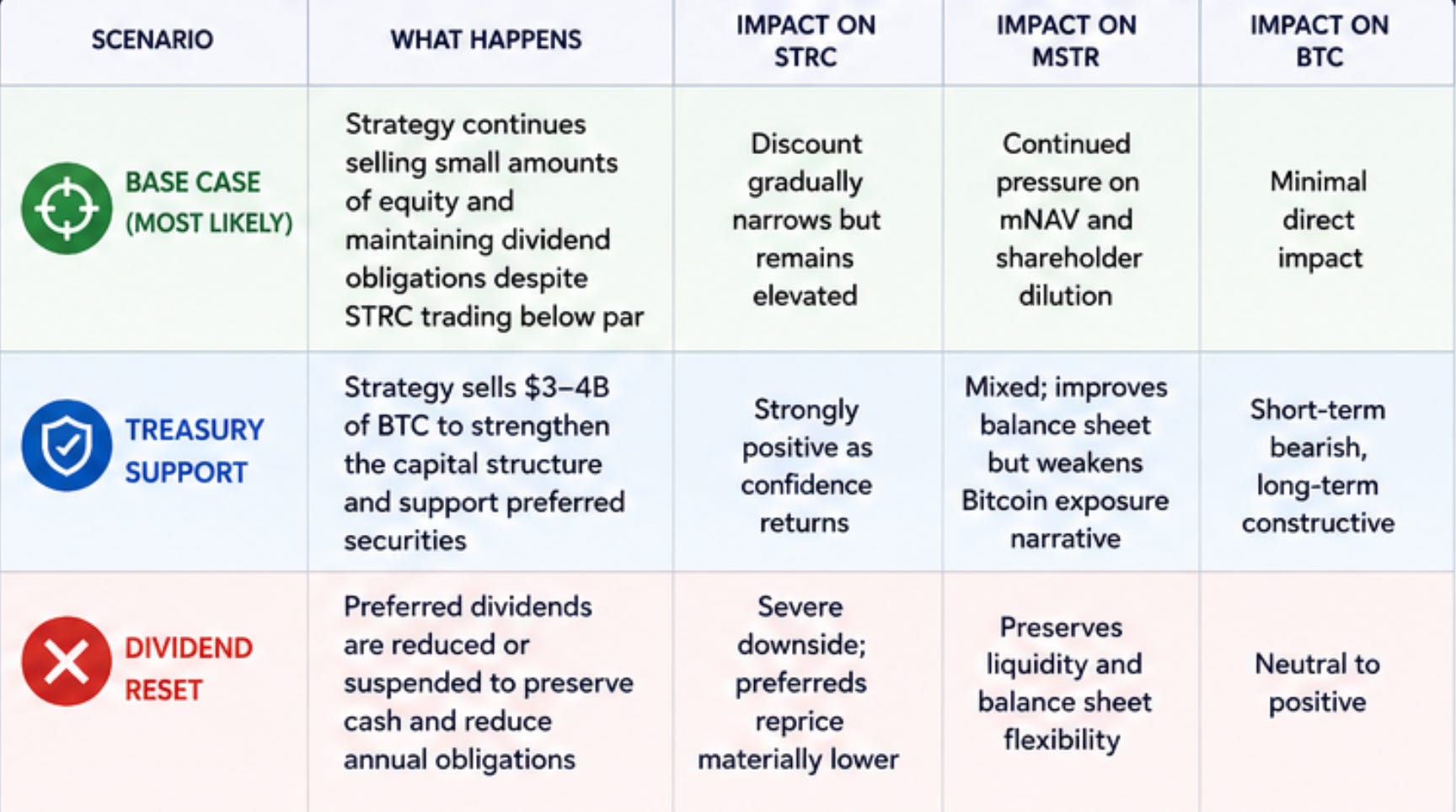
Ultimately, the market is not questioning whether Strategy has assets. It is questioning how management will allocate those assets if conditions deteriorate further.
The core tension revolves around three competing priorities: preserving Bitcoin exposure, supporting preferred shareholders, and maintaining access to capital markets.
The path management chooses will determine whether STRC’s recent decline is remembered as a temporary confidence crisis or the first major crack in the Bitcoin treasury-company playbook.
3. Macro Backdrop
1. The AI Trade Encounters ANOTHER Stress Test
The most important market development this week came from an unexpected source.
Primoris Services, a contractor responsible for building the physical infrastructure behind data centres, shocked investors after sharply reducing its 2026 guidance.

Adjusted EPS expectations were nearly halved, EBITDA guidance was cut by more than $175 million, renewable revenue forecasts were reduced by 30%, and the company’s COO departed immediately
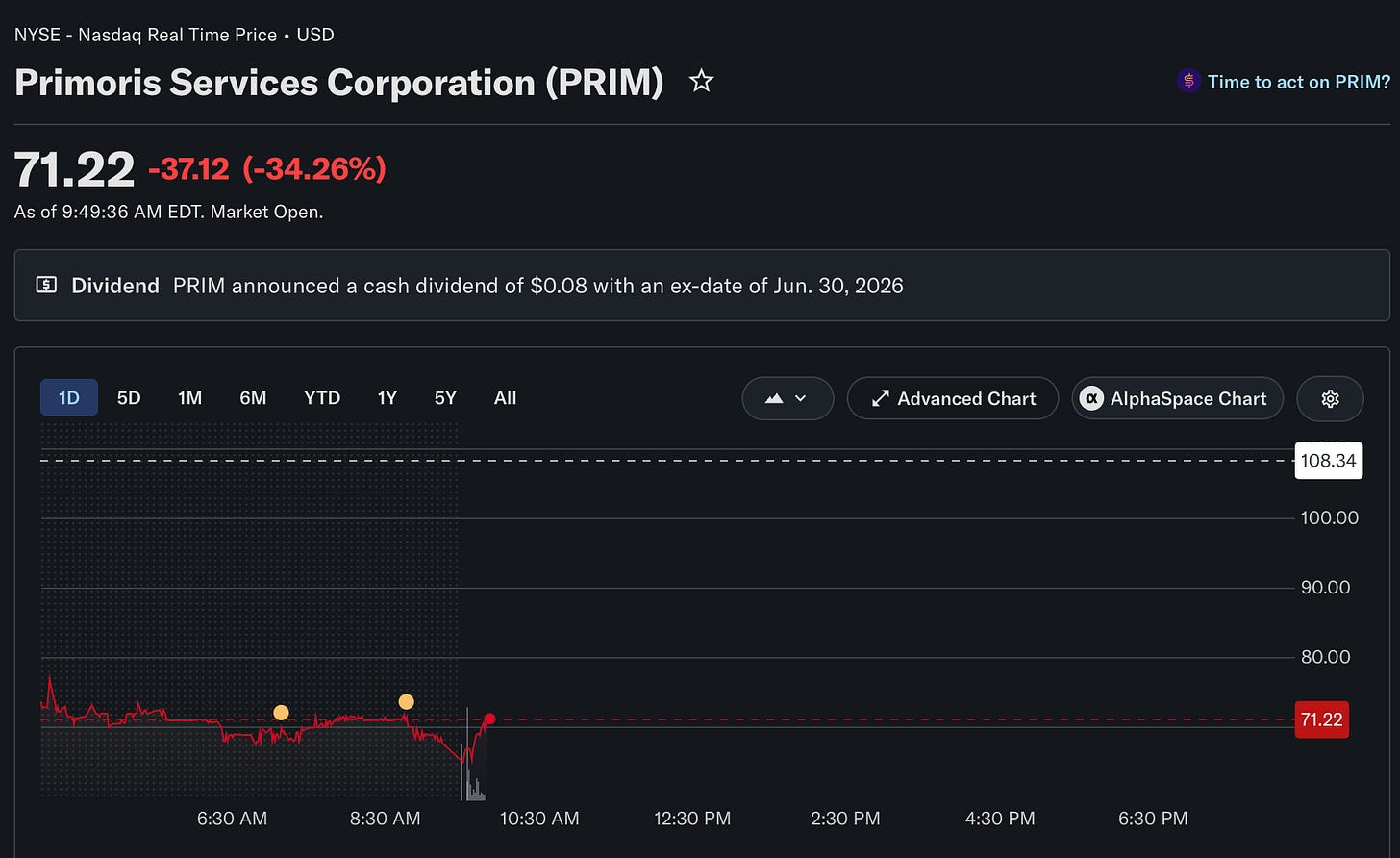

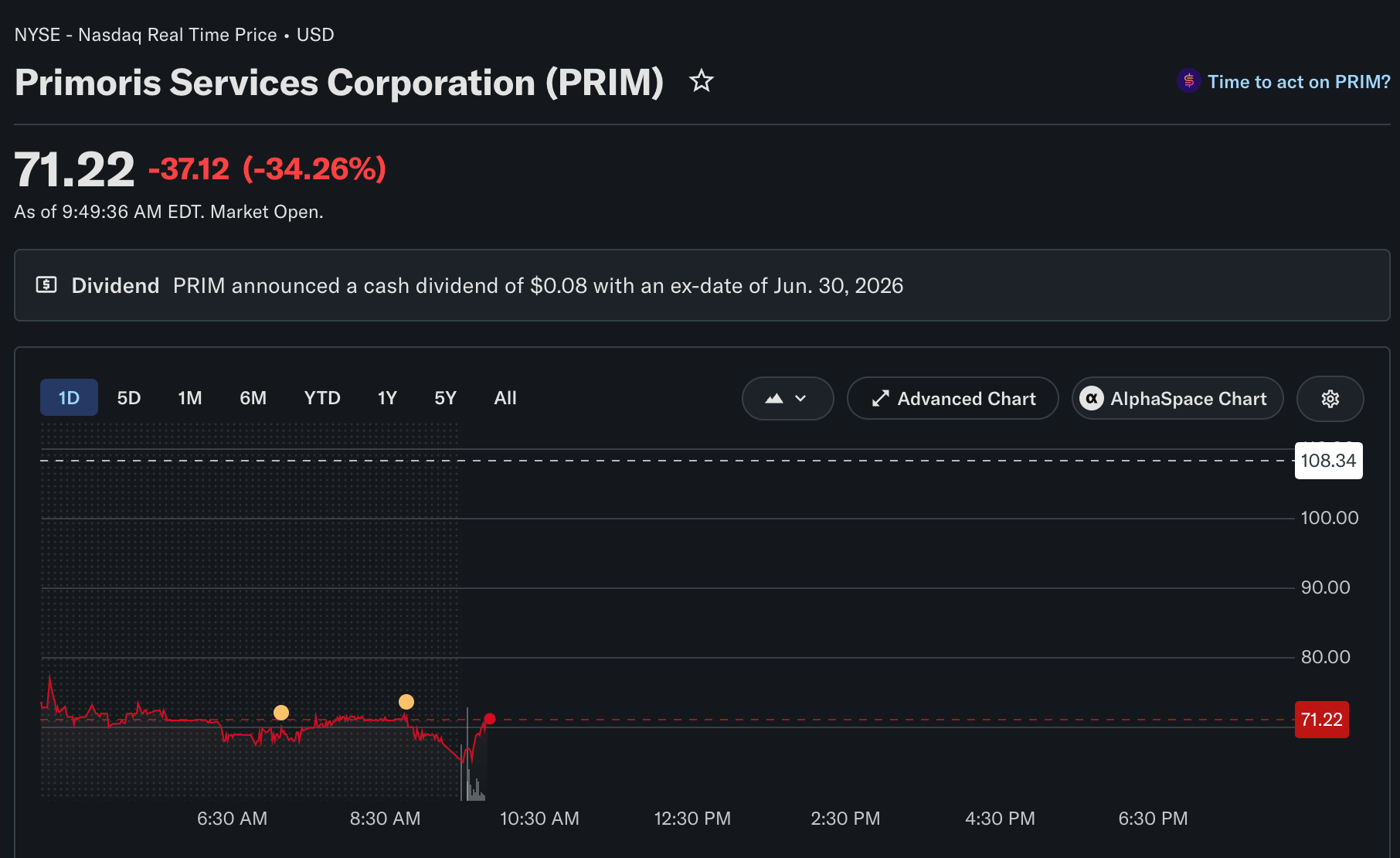
Why does this matter?
Because every major AI bullish thesis ultimately relies on the same chain of assumptions: hyperscalers continue spending, data centres continue getting built, semiconductor demand continues accelerating and AI-related earnings continue surprising to the upside.
Primoris sits at the very beginning of that chain.
If project delays, cost overruns and slower construction activity are emerging at the infrastructure layer, investors naturally begin questioning demand assumptions further up the stack. The market reaction was immediate. Korean equities suffered one of their largest declines of the year, with Samsung and SK Hynix each falling roughly 12%, while memory names across the United States came under heavy pressure.
This does not signal the end of the AI cycle. It does, however, represent the first meaningful challenge to the assumption that AI infrastructure spending will continue accelerating indefinitely.
2. Bond Markets Are Starting To Price Fiscal Risk
While equity investors remain focused on growth, bond investors are becoming increasingly focused on debt.
US Treasury yields moved sharply higher this week, with the 10-year once again approaching 4.5%. Unlike previous episodes driven by inflation concerns, the catalyst this time appears increasingly fiscal
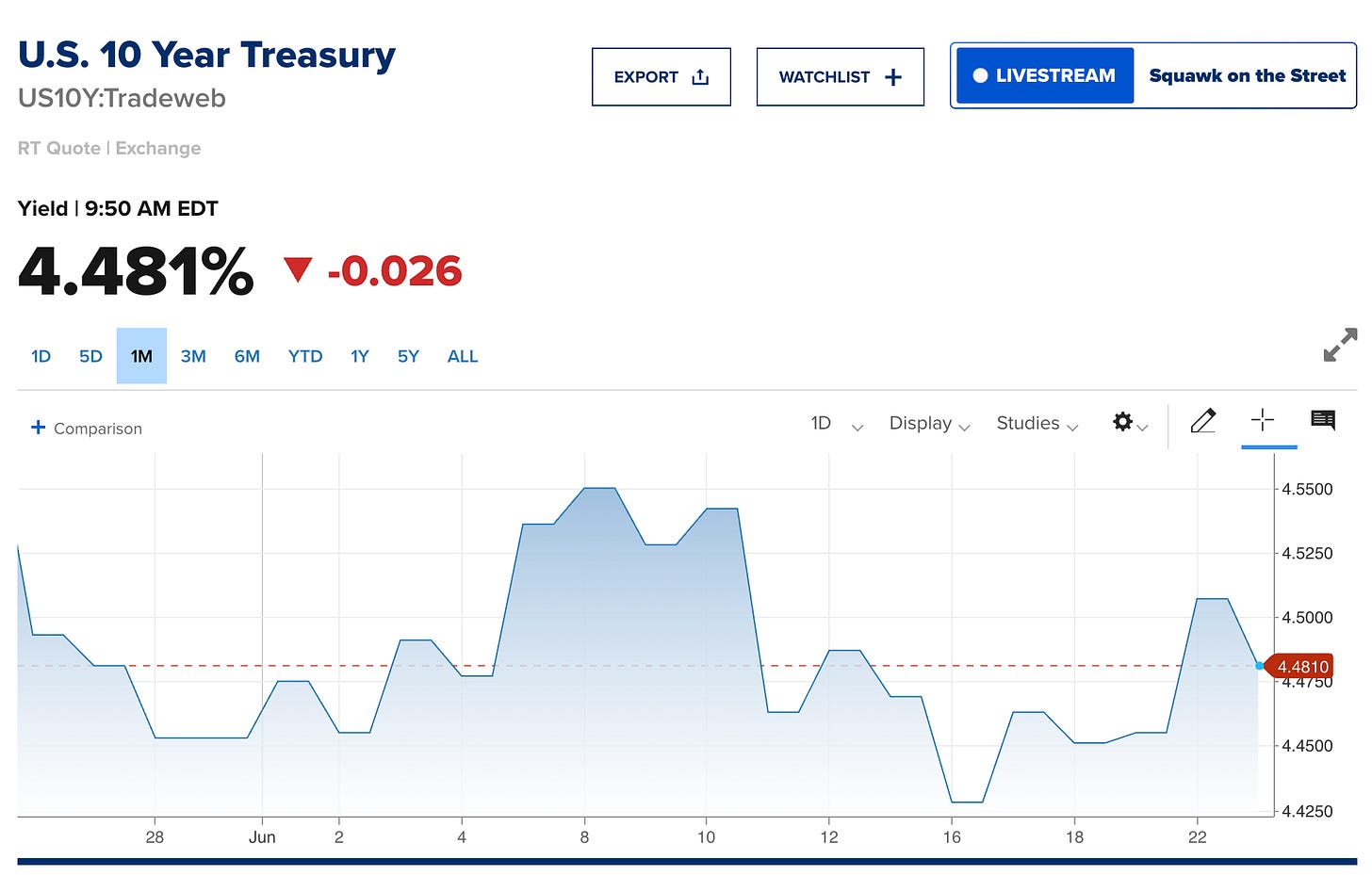
The Congressional Budget Office estimates that the proposed “One Big Beautiful Bill” could add roughly $3.4 trillion to federal debt over the next decade.
Markets are demanding greater compensation to absorb that growing supply of government debt, pushing term premiums higher across the curve.
Higher long-end yields matter because they tighten financial conditions everywhere. They increase borrowing costs, pressure equity valuations, weigh on corporate financing activity and delay any meaningful relief for interest-rate-sensitive sectors.
The bond market is sending a clear message: fiscal expansion is no longer free.
3. China's Slowdown Is Expanding Beyond Property
China’s economic challenges are becoming broader and more difficult to ignore.
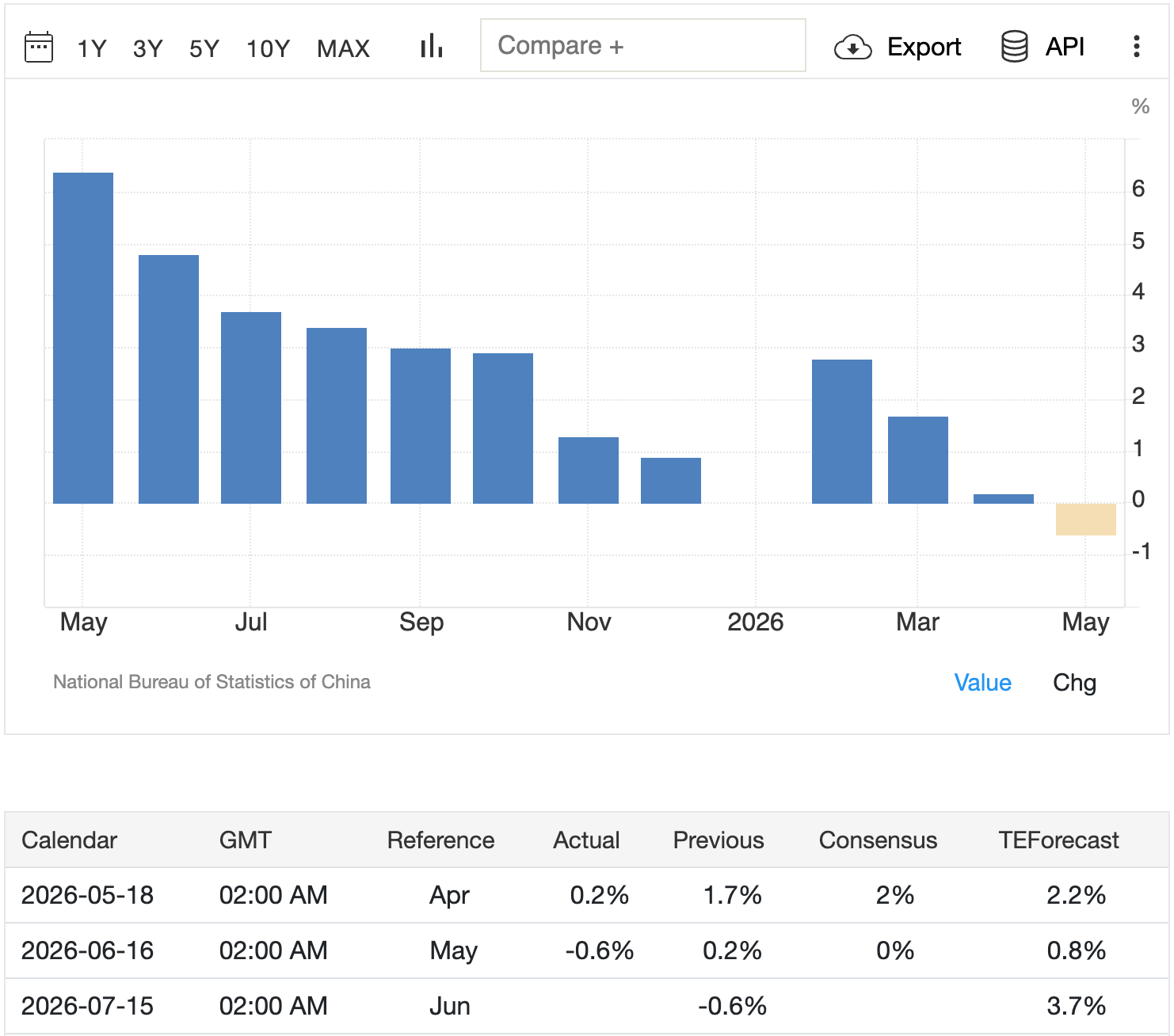
Retail sales contracted 0.6% year over year in May, marking the first decline since 2022. Property investment fell 16.2%, while new home prices recorded their thirty-fifth consecutive monthly decline.
For much of the past two years, investors viewed China’s slowdown primarily as a property-sector problem. That narrative is becoming harder to defend as consumer spending, investment activity and broader domestic demand begin weakening alongside real estate.
For commodities, global manufacturing and emerging-market growth expectations, this week’s data represents a meaningful negative signal. The issue is no longer simply property. It is demand.
4. On-Chain Insights
Signs of Accumulation, But Volatility Risks Remain
1. Selling Pressure Is Drying Up Despite Lower Prices
One of the more encouraging signals emerging from on-chain data is the behaviour of Bitcoin’s 90-day Buy/Sell Pressure Delta
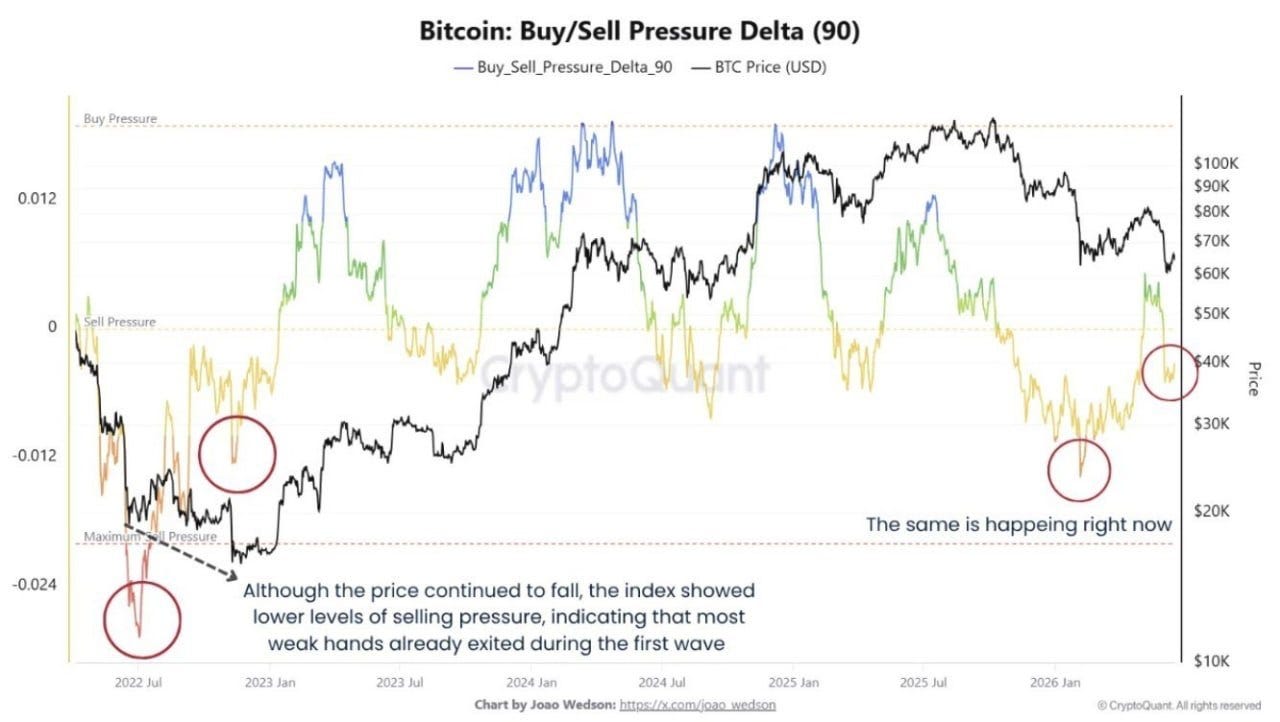
Bitcoin's 90-day Buy/Sell Pressure Delta is showing a familiar pattern from previous cycle lows. Despite continued price weakness, selling pressure has eased significantly, suggesting most weak hands have already been flushed out. While not a bottom signal on its own, the divergence points to a market transitioning from capitulation toward accumulation.
2. Whales Are Getting More Active
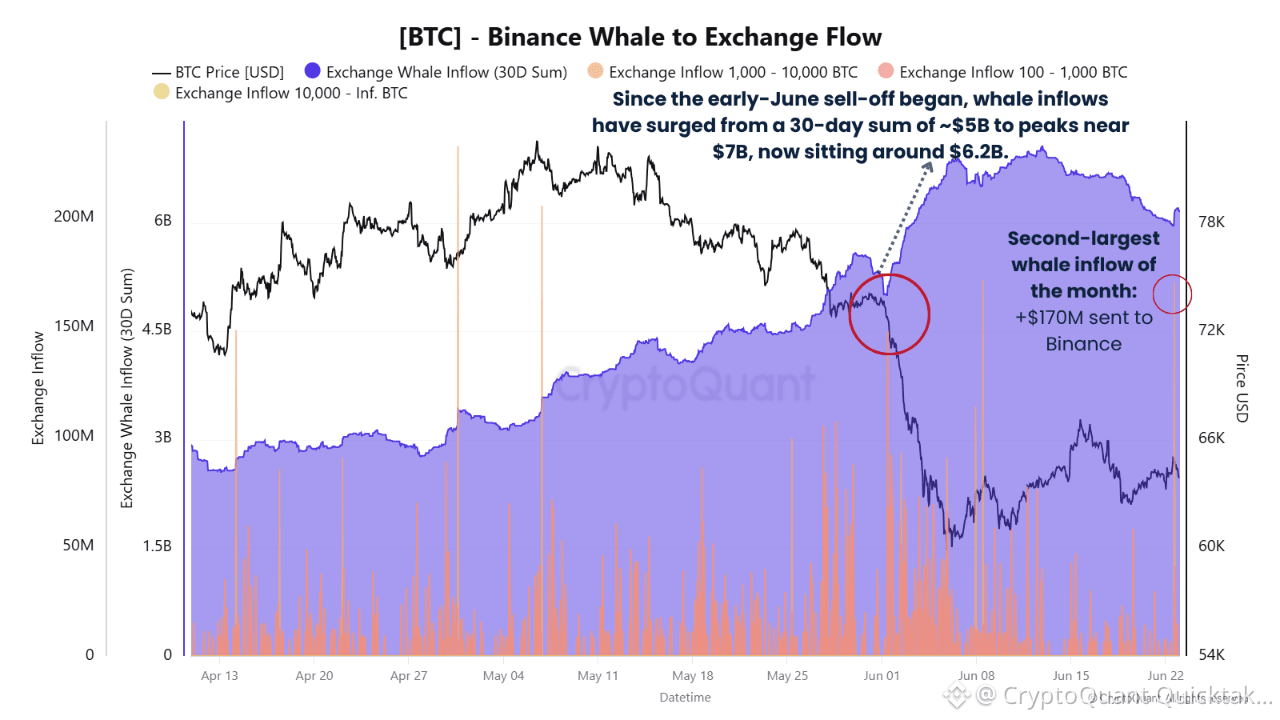
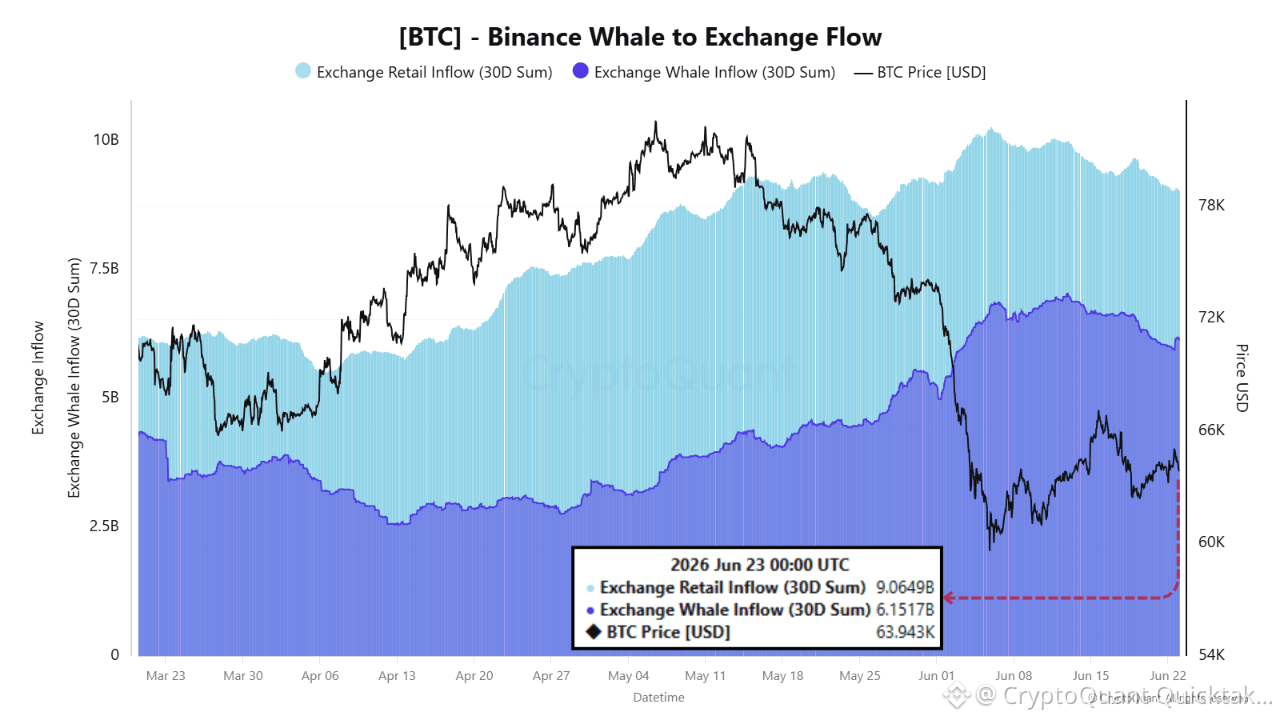
Whale inflows to Binance remain elevated, rising from roughly $5 billion to nearly $7 billion during June before easing to around $6.2 billion. Large exchange inflows are typically less a sell signal and more a volatility signal, reflecting increased activity from large holders. Until these flows compress meaningfully, Bitcoin remains vulnerable to another round of volatility even as broader selling pressure begins to fade.
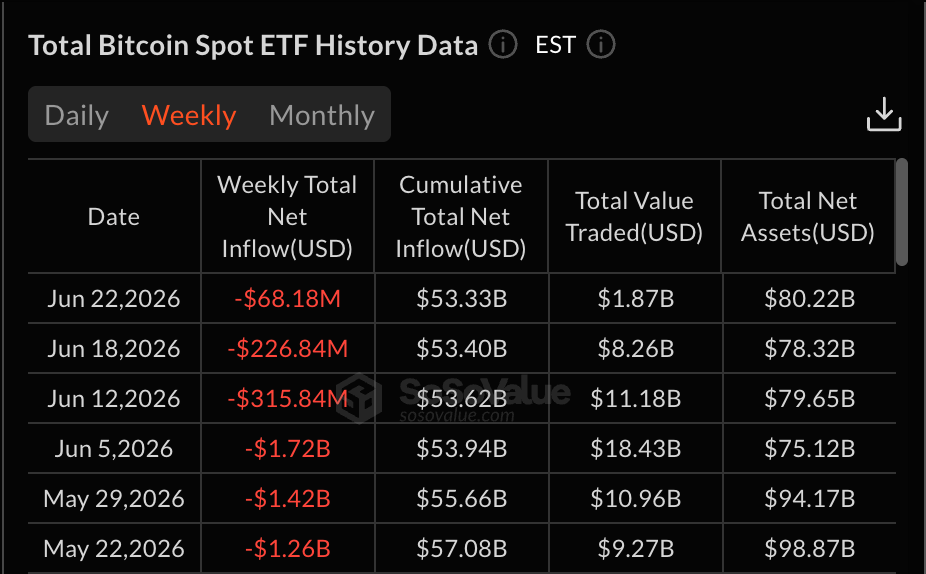
5. ETF Insights
Spot Bitcoin ETFs continued to see net redemptions this week, suggesting institutional participation remains subdued despite the recent stabilization in prices. While selling pressure has eased, the absence of consistent ETF buying indicates investors are still taking a cautious approach. A sustained recovery in flows would be an early sign that broader market confidence is returning
6. The Week Ahead
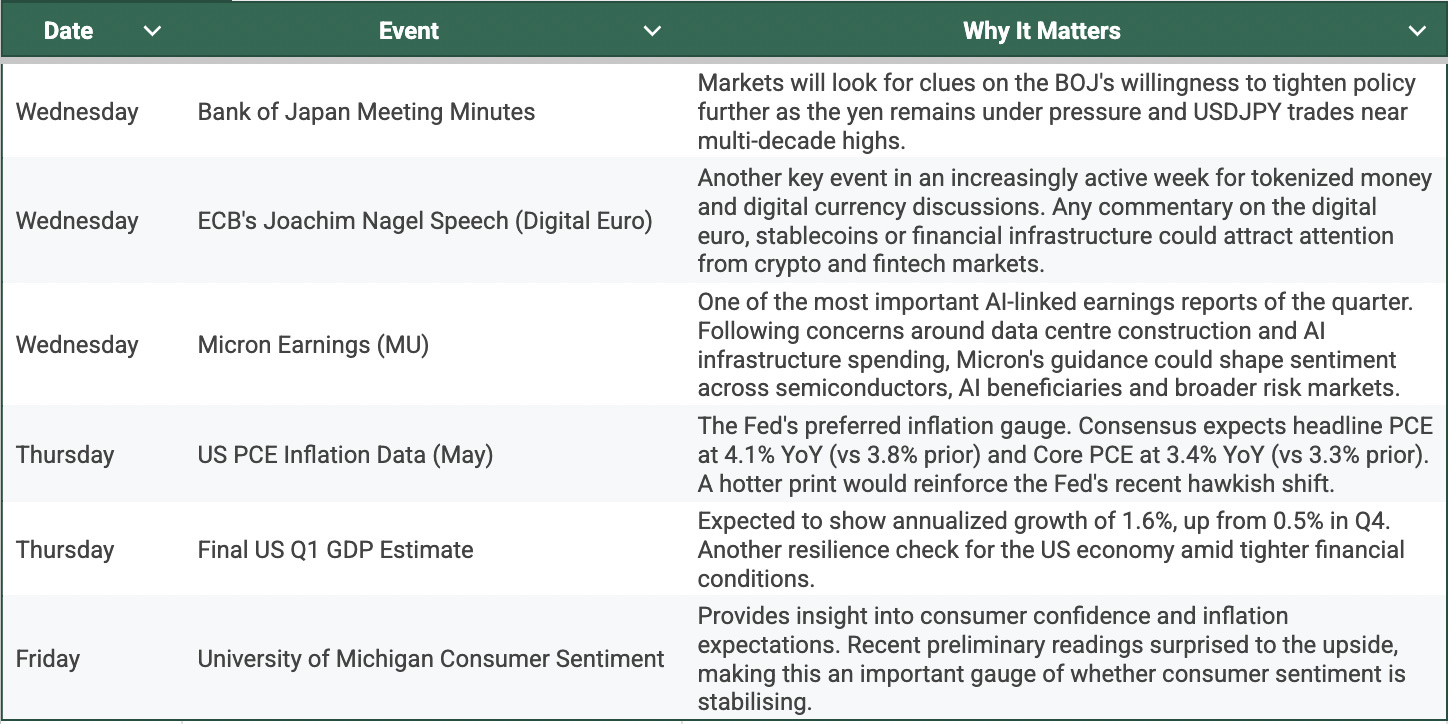
Inflation and growth remain the dominant macro drivers this week. After a notably hawkish Fed meeting, markets will be highly sensitive to Thursday's PCE report, while Micron's earnings could determine whether the recent cracks emerging in the AI trade deepen or prove temporary.
7. Conclusion
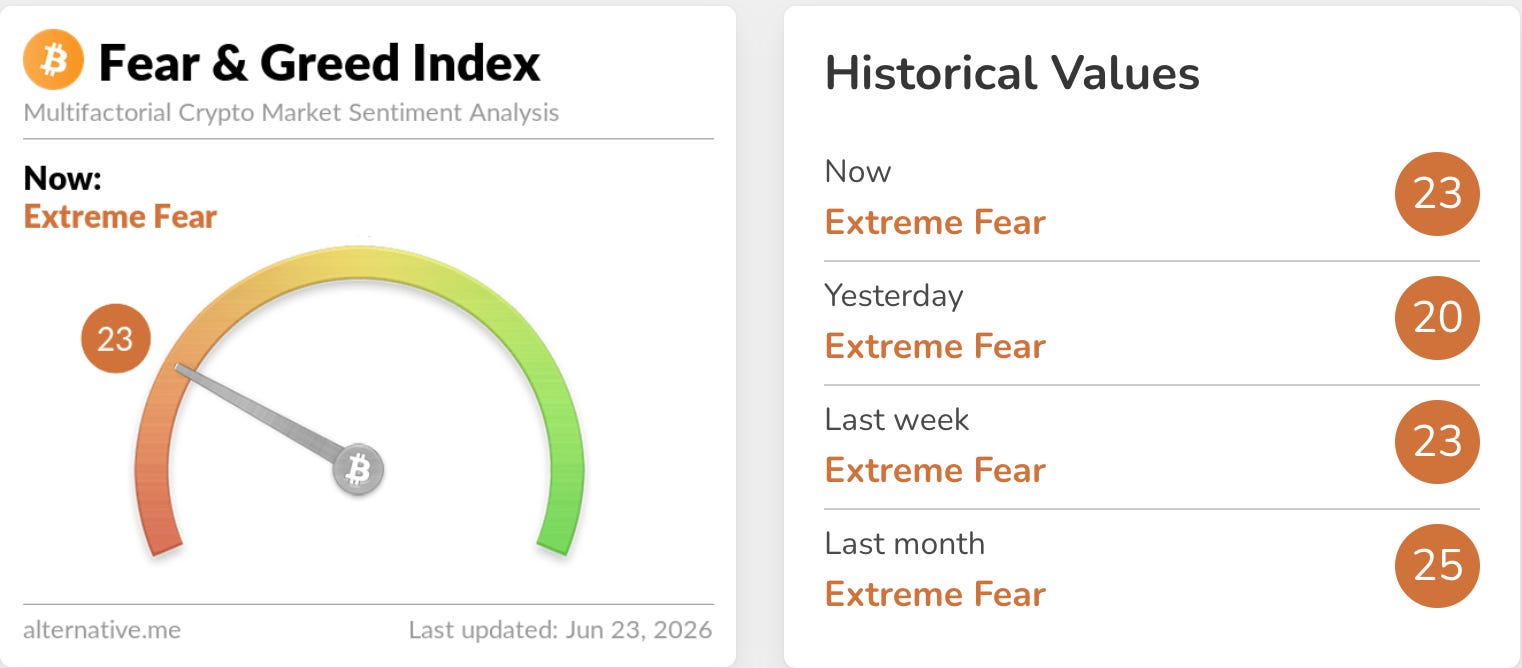
Despite a modest improvement in sentiment, the Fear & Greed Index remains deep in Extreme Fear territory at 23. The sharp pessimism seen during the recent correction has begun to fade, but confidence has yet to return, leaving investors hesitant to aggressively position for a recovery.
In a market driven by liquidity swings and institutional flow, our Crush Circle platform by CryptoCrush gives investors direct access to expert research, real-time guidance, and the frameworks needed to stay ahead of the next big move.
Visit here for more information 👇